




How to Effectively Clean Your Swim Gear After a Chlorine Swim
To effectively clean your swim gear after a chlorine swim, rinse everything in cool fresh water immediately after leaving the pool, then hand-wash with a gentle, pH-balanced cleanser within a few hours. Chlorine bonds to fabric fibers and skin within minutes, so speed matters. A proper post-swim routine removes chlorine buildup, prevents fabric degradation, eliminates odor, and protects your skin barrier — keeping your gear lasting longer and your skin feeling healthier every time you swim.
Why Chlorine Damages Swim Gear (and Skin) If Left Untreated
Chlorine is a powerful oxidizing agent. When it lingers on your swimsuit, goggles, swim cap, or skin, it continues to break down materials at a molecular level. Lycra and spandex fibers lose elasticity, colors fade faster, and seams weaken. On your skin, residual chlorine strips away natural oils, disrupts the skin's moisture barrier, and can cause dryness, itching, and irritation — especially for swimmers who train daily.
What Chlorine Does to Swimsuit Fabric
Most competitive swimsuits are made from chlorine-resistant materials like PBT or polyester blends, but even these degrade over time without proper care. Chlorine attacks the spandex component first — the fiber responsible for stretch and fit. A swimsuit rinsed immediately after every swim can last two to three times longer than one left to dry in chlorinated water. Avoid wringing your suit; instead, gently press water out to preserve the fiber structure.
What Chlorine Does to Your Skin After Swimming
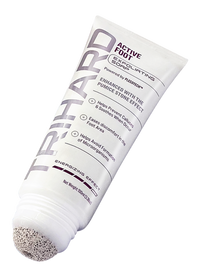
Swimmers who train four or more times per week are especially vulnerable to chlorine-related skin damage. The chemical removes ceramides and lipids from the skin's outer layer, leading to a tight, dry, or flaky feeling after swims. Over time, this can escalate to chronic dryness and sensitivity. Using a dedicated post-swim body wash — like TRIHARD Post-Swim Body Wash — formulated to neutralize chlorine rather than simply rinse it, makes a measurable difference in how your skin feels and recovers between sessions.
Step-by-Step: How to Clean Your Swim Gear After a Chlorine Swim
A consistent post-swim gear-cleaning routine takes less than ten minutes and dramatically extends the life of your equipment. Follow these steps every time you finish a chlorine swim.
Cleaning Your Swimsuit, Cap, and Goggles
- Rinse immediately: As soon as you exit the pool, rinse your swimsuit, cap, and goggles under cool fresh water for at least 30 seconds each. Cool water is key — hot water opens fabric fibers and allows chlorine to penetrate deeper.
- Hand-wash your swimsuit: Fill a basin with cool water and add a small amount of a gentle, fragrance-free swimwear cleaner or baby shampoo. Submerge your suit and gently agitate for 1–2 minutes. Never use a washing machine — the agitation and spin cycle destroy elastic fibers rapidly.
- Clean your goggles carefully: Rinse lenses under cool water and gently wipe the silicone seals. Avoid touching the interior lens coating — anti-fog treatments are easily scratched. Let goggles air-dry away from direct sunlight.
- Rinse your swim cap: Turn the cap inside out, rinse thoroughly, and allow it to dry completely before storing. Silicone caps are more durable than latex but both degrade if stored while damp.
- Dry everything flat or hanging: Never leave damp gear balled up in your swim bag. Lay your suit flat or hang it in a shaded, ventilated area. Direct sunlight accelerates color fading and elastic breakdown.
Cleaning Your Skin and Hair After a Chlorine Swim
Your gear isn't the only thing that needs attention. Your skin and hair absorb chlorine during every swim session and need targeted cleansing — not just a standard shower. A regular body wash may clean surface dirt but won't neutralize or remove chlorine compounds effectively. TRIHARD Post-Swim Body Wash uses swimmer-specific ingredients designed to break down chlorine residue on skin, while being gentle enough for daily use. For your hair, a dedicated post-swim shampoo removes chlorine and mineral buildup that causes dryness and discoloration — especially important for color-treated or blonde hair. Follow with a hydrating conditioner or hair mask to restore moisture stripped during training.
Post-Swim Gear Care Checklist
Use this checklist after every chlorine swim to protect your gear and skin consistently:
- ✓ Rinse swimsuit, cap, and goggles immediately in cool fresh water
- ✓ Hand-wash swimsuit with gentle cleanser within 2–3 hours
- ✓ Wipe and air-dry goggles away from direct sunlight
- ✓ Turn swim cap inside out and dry fully before storing
- ✓ Shower with a chlorine-neutralizing body wash
- ✓ Shampoo hair with a post-swim formula
- ✓ Moisturize skin after showering to restore hydration
- ✓ Pack dry gear only — never store damp gear in a closed bag
Common Mistakes That Ruin Swim Gear Faster
Even experienced swimmers make gear-care mistakes that silently shorten the lifespan of expensive equipment. Knowing what to avoid is just as important as knowing the right steps.
Machine Washing and Heat Drying
Machine washing is the single fastest way to destroy a quality swimsuit. Even on a delicate cycle, the mechanical agitation stretches and weakens spandex fibers. Tumble drying is worse — heat causes lycra to break down completely after just a few cycles. The same applies to swim caps: machine washing degrades silicone and latex alike. Always hand-wash and air-dry. If you're in a hurry, gently roll the suit in a clean towel to absorb excess water, then hang it immediately.
Skipping the Rinse When You're in a Hurry
Many swimmers skip the immediate rinse when pressed for time, planning to deal with gear at home. This is one of the most damaging habits. Chlorine continues to oxidize fabric and irritate skin even after you leave the pool. Spending just 60 seconds rinsing under a poolside shower before you change prevents the majority of long-term chlorine damage. Keep a small bottle of TRIHARD Post-Swim Body Wash in your swim bag so you're always prepared to cleanse properly, even at busy facilities with limited shower access.
Frequently Asked Questions About Cleaning Swim Gear
How often should I wash my swimsuit after chlorine swimming?
You should rinse your swimsuit with fresh water after every single swim. A full hand-wash with gentle cleanser is recommended every one to three swims depending on training intensity and how much you sweat. Washing after every session is ideal for competitive swimmers training daily, as chlorine and body oils accumulate quickly and accelerate fabric breakdown.
Can I use regular soap or shampoo to clean my swimsuit?
It's not recommended. Regular soaps and shampoos often contain sulfates, fragrances, and detergents that are too harsh for delicate swimwear fabrics and can degrade elastic fibers over time. Use a gentle, pH-neutral swimwear cleaner or a small amount of baby shampoo as an alternative. For your skin and hair, a swimmer-specific product like TRIHARD Post-Swim Body Wash is formulated to remove chlorine without stripping natural moisture.
How do I get the chlorine smell out of my swim gear?
The chlorine smell in swim gear comes from chloramines — compounds formed when chlorine reacts with sweat and organic matter. A thorough rinse removes surface chlorine, but a proper hand-wash is needed to eliminate chloramine buildup fully. Soaking your suit in a mixture of cool water with a small splash of white vinegar for 15–20 minutes before rinsing can also help neutralize odors naturally. Always air-dry fully, as damp gear stored in a bag intensifies odor-causing bacterial growth. Note: If you experience persistent skin irritation after chlorine swimming, consult a dermatologist for personalized guidance.


Hinterlassen Sie einen Kommentar