









Swimmer’s Shampoo: The Ultimate Guide for Healthy Hair in 2026

If you swim regularly, you’ve probably noticed it at some point—hair that feels dry, brittle, or rough no matter how good your regular shampoo is. Maybe your curls lose definition, your color fades faster than expected, or your scalp feels itchy after every session.

The culprit is almost always chlorine.
The good news? Healthy hair and swimming don’t have to be mutually exclusive. With the right knowledge—and the right swimmer’s shampoo—you can protect, restore, and even improve your hair despite regular pool exposure.
This guide breaks down what swimmer’s shampoo is, how it works, how to use it properly, and how to choose the best option for your hair type—so your hair can thrive in 2026 and beyond.
Understanding Swimmer’s Shampoo
What Is a Swimmer’s Shampoo?
A swimmer’s shampoo is a specialized hair cleanser designed to neutralize chlorine and pool chemicals, rather than just washing away dirt and oil.
Unlike regular shampoos, which focus on surface-level cleansing, swimmer’s shampoos work deeper—breaking down chemical residue that clings to the hair shaft and scalp.
Why Regular Shampoo Isn’t Enough
Regular shampoos are formulated for everyday grime like sweat, oil, and pollution. Chlorine is different.
Chlorine:
-
Bonds to the hair shaft
-
Strips natural oils
-
Alters hair structure over time
-
Causes dryness, breakage, and dullness
Without targeted removal, chlorine builds up—even if you wash your hair daily.
Key Ingredients That Make the Difference
Effective swimmer’s shampoos often include:
-
Mineral-based chlorine neutralizers (e.g., magnesium chloride, Dead Sea minerals)
-
Hydrating agents (aloe vera, glycerin, plant oils)
-
Strengthening ingredients (keratin, proteins)
-
Soothing elements (menthol, botanical extracts)
Together, these help remove chlorine without over-stripping the hair.
Best Practices for Using Swimmer’s Shampoo
Using the right product is important—but how you use it matters just as much.
Before You Swim: Reduce Chlorine Absorption
Healthy hair absorbs less chlorine.
Pre-swim tips:
-
Apply a lightweight conditioner or leave-in product
-
Wear a swim cap when possible
This creates a barrier that limits chemical penetration.

After You Swim: Remove Chlorine Correctly
Step-by-step post-swim routine:
-
Rinse immediately to remove surface chlorine
-
Shampoo with a swimmer’s shampoo to neutralize residue
-
Massage the scalp gently—no aggressive scrubbing
-
Rinse thoroughly
-
Condition with a swimmers’ conditioner deeply to restore moisture and remove chlorine odor
Many swimmers notice improved softness and manageability within weeks when they follow this routine consistently.
How Often Should You Use Swimmer’s Shampoo?
-
Frequent swimmers (3–6x/week): After every swim
-
Casual swimmers: After pool sessions
Swimmer’s Shampoo Recommendations for All Hair Types
Not all hair reacts to chlorine the same way. Choosing the right formula for your hair type makes a noticeable difference.
For Fine or Thin Hair
Common issues: Flatness, breakage, dryness
What to look for:
-
Lightweight hydration
-
No heavy silicones
-
Strengthening ingredients
Swimmer’s shampoos that cleanse without weighing hair down help fine hair stay soft and voluminous.
For Curly or Textured Hair
Common issues: Frizz, loss of curl definition, dryness
What to look for:
-
Deep hydration
-
Curl-friendly ingredients
-
Moisture-retaining oils
Curly hair is naturally more porous, meaning it absorbs chlorine faster. Extra moisture is essential.
For Color-Treated Hair
Common issues: Fading, brassiness, dullness
What to look for:
-
Chlorine-neutralizing minerals
-
Color-safe formulas
-
Gentle cleansing agents
Removing chlorine promptly helps extend color life and shine.
For Sensitive Scalp
Common issues: Itching, tightness, irritation
What to look for:
-
Sulfate-free formulas
-
Soothing ingredients like aloe or menthol
-
Dermatologically tested blends
A swimmer’s shampoo should calm the scalp—not aggravate it.

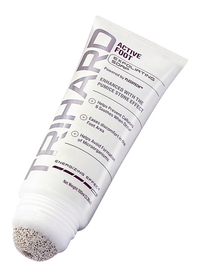
Why TRIHARD Swimmer’s Shampoo Stands Out
TRIHARD’s swimmer shampoos are designed specifically for athletes and frequent swimmers, combining performance-driven formulation with skin- and hair-friendly ingredients.
What Makes Them Different
-
Mineral-based chlorine neutralization
-
Alcohol-free and sulfate-free formulas
-
Hydrating oils and proteins for recovery
-
Cooling menthol for post-swim refresh
-
Suitable for frequent use
5 Essential Hair Care Tips for Swimmers
✔ Rinse hair before swimming
✔ Use a swimmer’s shampoo after every swim
✔ Condition deeply after washing
✔ Avoid hot water post-swim
✔ Protect hair between swims with hydration
Simple habits, big results.
Real Stories from Swimmers
“I used to think dry hair was just part of swimming. Once I switched to a swimmer’s shampoo and changed my routine, my hair finally felt normal again.”
— Recreational swimmer
“As a competitive swimmer, chlorine damage felt unavoidable. Now my hair is softer, less brittle, and easier to manage.”
— Masters swimmer
These stories are common—because the right care truly works.
Common Myths About Swimmer’s Shampoo
“It’s only for competitive swimmers.”
False. Anyone who swims regularly benefits.
“It’s too harsh for daily use.”
Not when formulated correctly. Gentle, mineral-based formulas are designed for frequent use.
“DIY remedies work just as well.”
DIY options like baking soda can be inconsistent and drying. Purpose-built shampoos are safer and more effective long-term.
Why Swimmer’s Hair Care Matters More in 2026
With:
-
Year-round indoor swimming
-
Increased fitness-focused lifestyles
-
More chemically treated pools
Swimmer-specific hair care is no longer niche—it’s essential.
Hair health isn’t just about appearance; it’s about comfort, confidence, and long-term damage prevention.
Final Thoughts: Swim More, Stress Less About Your Hair
Swimming should strengthen your body—not compromise your hair.
By understanding how chlorine affects hair and choosing the right swimmer’s shampoo for your hair type, you can:
✔ Prevent damage
✔ Restore moisture
✔ Maintain healthy, manageable hair
✔ Enjoy swimming without worry
If you’re ready to upgrade your swim hair care routine, explore TRIHARD’s swimmer shampoos and see the difference for yourself.
What’s been your biggest hair challenge as a swimmer?
Share your experience in the comments—we’d love to hear it.
Frequently Asked Questions About Swimmer’s Shampoo
What is a swimmer’s shampoo, and how is it different from regular shampoo?
A swimmer’s shampoo is specially formulated to remove chlorine and pool chemicals that regular shampoos cannot break down. It neutralizes chemical residue while restoring moisture, helping prevent dryness, breakage, and scalp irritation.
How often should swimmers use swimmer’s shampoo?
Swimmers should use swimmer’s shampoo after every swim session. Frequent or competitive swimmers benefit from gentle, sulfate-free formulas that are safe for daily use.
Can swimmer’s shampoo be used on color-treated hair?
Yes. Swimmer’s shampoo is especially beneficial for color-treated hair because chlorine accelerates color fading. By removing chlorine promptly, swimmer’s shampoo helps preserve color vibrancy and shine.
Is swimmer’s shampoo suitable for curly or textured hair?
Absolutely. Curly and textured hair is more porous and absorbs chlorine faster. Swimmer’s shampoos with hydrating oils and proteins help maintain moisture, reduce frizz, and protect curl definition.
Do I still need conditioner after using swimmer’s shampoo?
Yes. While swimmer’s shampoo removes chlorine, conditioner is essential to restore moisture and strengthen hair after exposure. Using a hydrating conditioner helps reduce dryness and improves softness and manageability.
Can swimmer’s shampoo be used even if I swim occasionally?
Yes. Even occasional swimmers can experience chlorine buildup. Using swimmer’s shampoo after pool sessions helps prevent long-term damage and keeps hair healthy.


Hinterlassen Sie einen Kommentar