


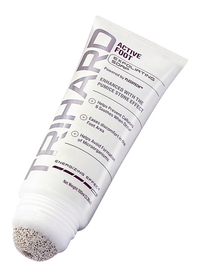







How to Prevent Allergic Reactions to Chlorine While Using Swimmers Products
Preventing allergic reactions to chlorine while swimming starts with a simple routine: rinse your skin before and after every session, create a barrier with a pre-swim product, and cleanse thoroughly post-swim. Chlorine sensitivity can cause redness, itching, and dryness — but the right swimmers products help remove chlorine residue, soothe irritated skin, and keep your barrier intact. Here's exactly how to protect your skin at every stage of your swim.
Understanding Chlorine Sensitivity vs. True Chlorine Allergy
What Causes the Reaction?
Most swimmers who experience redness or itching after pool sessions aren't actually allergic to chlorine itself — they're reacting to chloramines, the chemical compounds formed when chlorine binds with sweat, oils, and organic matter. These irritants sit on the skin's surface long after you've left the pool. The longer chlorine residue remains on your skin, the more likely you are to experience dryness, tightness, or a rash-like reaction. Understanding this distinction matters because it means most reactions are preventable with the right skincare habits rather than avoidance of swimming altogether.
Who Is Most at Risk?
Swimmers with sensitive skin, eczema-prone skin, or a compromised moisture barrier are most likely to experience discomfort from chlorinated water. Children, competitive swimmers training daily, and open-water athletes who also use heavily treated pool facilities tend to notice symptoms first. If you develop hives, swelling around the eyes or throat, or breathing difficulty after pool exposure, see a doctor or dermatologist immediately, as these may indicate a true allergic response rather than simple irritation.
Pre-Swim Protection: Building a Barrier Before You Jump In
Why a Pre-Swim Routine Matters
Creating a protective layer before entering the pool is one of the most effective ways to reduce chlorine contact with your skin. Applying a pre-swim lotion or balm helps hydrate the skin and reduce the amount of chlorinated water your skin absorbs during a session. TRIHARD Pre-Swim Balm is designed to coat and protect skin before pool exposure, acting as a shield against chlorine and other pool chemicals. Apply it to exposed skin, focusing on areas most prone to irritation such as shoulders, neck, and behind the knees.
Additional Pre-Swim Steps
Rinse your body thoroughly with clean water before entering the pool. Pre-wetting your skin reduces the amount of chlorinated water absorbed because your pores are already saturated with clean water. Keep your hair protected too — wet hair before putting on a swim cap to minimise scalp exposure. If you wear goggles, ensure they seal properly to protect the delicate skin around your eyes. A consistent pre-swim routine takes under five minutes but makes a significant difference to your post-swim skin comfort.
Post-Swim Cleansing: Removing Chlorine Residue Properly
Cleanse Immediately After Swimming
The single most important step to prevent chlorine-related skin reactions is to shower and cleanse thoroughly as soon as you leave the pool. Standard soap and shampoo are often not formulated to neutralise or remove chlorine effectively. TRIHARD Swimmers Body Wash is specifically formulated to help remove chlorine, salt, and pool chemicals from skin, while also helping to soothe and hydrate. Use it on your full body within minutes of finishing your swim for the best results. Don't let chlorine sit on your skin through a whole drive home.
Don't Forget Hair and Scalp
Chlorine binds to hair proteins and scalp skin, causing dryness and irritation that can extend to your neck and forehead. Use a dedicated swimmers shampoo like TRIHARD Swimmers Shampoo to help remove chlorine build-up from hair and scalp. Follow with TRIHARD Swimmers Conditioner to restore moisture and prevent the dry, brittle texture associated with regular pool exposure. Treating your scalp as part of your post-swim skincare routine reduces overall irritation across your upper body.
Post-Swim Moisturising: Restoring Your Skin Barrier
Why Moisturising After Swimming Is Non-Negotiable
Chlorine strips natural oils from the skin, leaving your moisture barrier weakened and more vulnerable to environmental irritants. After cleansing, apply a hydrating lotion or cream while your skin is still slightly damp to lock in moisture effectively. TRIHARD After Swim Lotion is designed to help soothe and hydrate skin post-pool, replenishing moisture lost during your session. Consistent post-swim moisturising helps maintain a healthy skin barrier over time, reducing cumulative sensitivity from frequent swimming.
Your Post-Swim Skin Protection Checklist
- Shower with clean water immediately after leaving the pool
- Use a swimmers-specific body wash to help remove chlorine residue
- Wash hair with a swimmers shampoo and follow with conditioner
- Pat skin dry gently — do not rub irritated skin
- Apply a hydrating after-swim lotion to damp skin within minutes of showering
- If symptoms persist, spread, or worsen, see a doctor or dermatologist
Frequently Asked Questions
Can swimmers products really prevent chlorine skin reactions?
Yes — the right swimmers products can significantly reduce your exposure to chlorine and help remove it from your skin before it causes lasting irritation. Pre-swim balms create a protective layer, post-swim cleansers help remove chlorine residue, and moisturisers restore the skin barrier. While no product can guarantee zero reaction for everyone, a consistent swim-care routine using purpose-built products like those from TRIHARD gives your skin the best possible defence against chlorine sensitivity.
What's the difference between chlorine allergy and chlorine sensitivity?
Chlorine sensitivity — the most common experience among swimmers — causes localised dryness, redness, or itching caused by chloramine irritation on the skin's surface. A true chlorine allergy is rare and involves an immune system response that may produce hives, significant swelling, or respiratory symptoms. If you experience severe or systemic reactions after pool exposure, ask a pharmacist or doctor about suitable over-the-counter options and seek a medical assessment. For everyday sensitivity, a dedicated swim-care routine is usually sufficient to manage symptoms effectively.
How often should I use swimmers skincare products?
You should use swimmers skincare products every single time you swim, regardless of session length. Even a 20-minute pool session exposes your skin to enough chlorine to deplete natural oils and trigger irritation in sensitive individuals. Apply pre-swim balm before every session and cleanse plus moisturise immediately afterwards. If you swim daily or twice daily, consistent use of TRIHARD Pre-Swim Balm and TRIHARD After Swim Lotion becomes even more critical to protect your skin barrier over the long term.


Leave a comment