









Best Post-Swim Shampoo: What to Look For (A Swimmer's Checklist)
The best post-swim shampoo removes chlorine, salt, and mineral buildup from your hair while keeping your scalp hydrated and your colour protected. Swimmers need more than a regular shampoo — they need a formula that actively chelates metals and replenishes moisture stripped by pool chemicals. This guide breaks down exactly what to look for, the ingredients that matter, and which products deliver results for regular swimmers.
Why Regular Shampoo Isn't Enough After Swimming
Chlorine and Metals Behave Differently Than Everyday Dirt
Chlorine doesn't sit on the surface of your hair — it bonds to the protein structure and reacts with copper and other metals present in pool water. This is what turns light hair green and makes all hair feel brittle over time. A standard shampoo is formulated to lift everyday oils and debris. It lacks the chelating agents needed to break the bond between metal deposits and your hair shaft. Using the wrong product after every swim compounds damage rather than reversing it.
Scalp Health Is Just as Important as Hair Health
Repeated chlorine exposure dries out your scalp, disrupting its natural moisture barrier. This can lead to itchiness, flakiness, and an irritated scalp that feels tight after every session. A proper post-swim shampoo should soothe the scalp as well as cleanse it. If you notice persistent irritation that spreads or worsens, see a doctor or dermatologist. Look for formulas with calming and hydrating ingredients that work alongside the chelating actives rather than causing further dryness.
The Swimmer's Checklist: What to Look for in a Post-Swim Shampoo
Key Ingredients Worth Prioritising
Not all post-swim shampoos are equal. When reading a label, these are the components that signal a formula built for swimmers:
- Chelating agents (such as EDTA or phytic acid) to help remove chlorine and mineral deposits
- Hydrating ingredients like glycerin or panthenol to restore moisture balance
- Gentle surfactants that cleanse without stripping natural oils
- Soothing botanicals to calm scalp irritation post-swim
- Colour-safe formulation if your hair is chemically treated or coloured
What to Avoid in a Post-Swim Formula
Harsh sulphates such as sodium lauryl sulphate can strip already-vulnerable post-swim hair further. Avoid heavily fragranced products that may aggravate a sensitised scalp. Alcohol-heavy formulas can also increase dryness, which is the opposite of what your hair needs after chlorine exposure. The goal is a thorough cleanse that doesn't compromise your hair's moisture levels or your scalp's natural barrier.
How to Use Post-Swim Shampoo Properly
Rinse Before You Shampoo
One of the most effective habits for swimmers is rinsing hair with fresh water immediately after leaving the pool. This dilutes chlorine and mineral concentration before they have a chance to fully set into the hair shaft. Wet hair also absorbs less pool water when you first enter, so pre-swim rinsing matters too. After rinsing, apply your post-swim shampoo and work it through from roots to ends, giving your scalp a gentle massage to lift buildup effectively.
Follow Up with a Hydrating Conditioner
Shampooing alone is not a complete post-swim routine. Chlorine exposure leaves hair porous and prone to moisture loss, so following up with a conditioner is essential. Apply from mid-lengths to ends and leave it for at least two minutes before rinsing. For very dry or damaged hair, a deeper conditioning treatment once or twice a week can help restore softness and reduce breakage. Consistency is what separates swimmers who maintain healthy hair from those who struggle with ongoing damage.
TRIHARD Products Built for Swimmers
Shampoo and Scalp Care
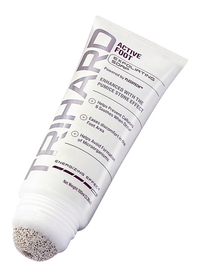
TRIHARD's Swimmer Shampoo is specifically formulated to help remove chlorine, salt, and mineral deposits while keeping hair hydrated and manageable. It uses a chelating complex and gentle cleansing agents designed for daily swim use without over-stripping. For swimmers who train frequently and want a full scalp-care solution, pairing it with a regular hydrating routine makes a noticeable difference in how hair feels and looks over the season.
Complete Post-Swim Routine Products
Beyond shampoo, TRIHARD's Swimmer Conditioner is designed to follow up the shampoo, restoring moisture and softness stripped by pool chemicals. For pre-swim protection, the Pre-Swim Hair and Body Protective Cream creates a barrier that reduces chlorine absorption in the first place. Using the full system gives your hair the best chance of staying strong, shiny, and healthy despite heavy training loads.
Frequently Asked Questions
How often should I use a post-swim shampoo?
Ideally, you should use a post-swim shampoo every time you train in a chlorinated pool or open water. Daily use is fine as long as the formula is gentle enough — look for sulphate-free or low-sulphate options that cleanse without stripping. If you train twice a day, a thorough rinse with water between sessions and a full shampoo after your final session is a practical approach that protects hair without over-washing.
Can post-swim shampoo protect colour-treated hair?
Yes, but the formula matters. Chlorine is particularly damaging to colour-treated hair because it opens the cuticle and accelerates colour fade. A chelating post-swim shampoo helps remove the minerals and chemicals that cause this damage. Look for colour-safe labelling and avoid anything with harsh sulphates. Using a pre-swim protective product like the Pre-Swim Hair and Body Protective Cream adds another layer of defence before you even enter the water.
Is post-swim shampoo different from clarifying shampoo?
They overlap but serve different purposes. A clarifying shampoo is designed to remove general buildup — product residue, oils, hard water minerals — and is typically used once a week. A post-swim shampoo is formulated specifically to target chlorine, salt, and pool-related metal deposits, and is safe for daily use by swimmers. Clarifying shampoos are often too harsh for regular swim use and can worsen dryness if used after every session.


Leave a comment