









Best Shampoos for Swimmers to Prevent Dry Hair After Swimming
The best shampoos for swimmers to prevent dry hair after swimming are specifically formulated to remove chlorine and salt buildup while restoring lost moisture. Regular shampoos simply cannot neutralize the chemical damage pool water causes. Look for swimmer-specific shampoos containing chelating agents like EDTA or citric acid to strip minerals, paired with hydrating ingredients like argan oil, keratin, or aloe vera. Using the right shampoo immediately after every swim is the single most effective step to protect your hair from dryness, breakage, and discoloration.
Why Swimming Dries Out Your Hair (And Why Regular Shampoo Isn't Enough)
When you swim in a chlorinated pool or the ocean, your hair absorbs chemical compounds and minerals directly into the hair shaft. Chlorine strips the natural oils (sebum) from your scalp and hair, leaving strands brittle and porous. Salt water compounds this by drawing moisture out of the hair through osmosis. Over time, repeated exposure without proper cleansing leads to the "swimmer's hair" effect — dull, rough, and sometimes greenish-tinted hair caused by copper deposits from pool pipes reacting with chlorine.
What Chlorine and Salt Actually Do to Your Hair Shaft
Chlorine chemically bonds to the protein structure of your hair, called keratin. Once bonded, it weakens the disulfide bonds that keep hair strong and elastic. This is why swimmer's hair feels gummy when wet and straw-like when dry. Salt crystals left on the hair shaft after ocean swimming act as tiny abrasives, roughing up the cuticle and accelerating moisture loss every time the hair dries. A standard drugstore shampoo cleans surface dirt but lacks the chelating chemistry to actually break these mineral bonds.
Why Timing Your Post-Swim Shampoo Matters
The longer chlorine and salt sit on your hair, the deeper the damage penetrates. Rinsing and shampooing within 30 minutes of leaving the pool dramatically reduces chemical absorption. Wet hair before entering the pool also helps — pre-saturating the hair shaft with fresh water limits how much chlorinated water it can absorb, since hair can only hold so much liquid at once. This pre-swim step paired with a quality post-swim shampoo is the gold standard routine for serious swimmers.
What to Look for in the Best Swimmer Shampoos
Not all swimmer shampoos are created equal. The best formulas combine two critical functions: chelation (removing mineral and chemical buildup) and moisture restoration (replenishing what chlorine strips away). Here is a breakdown of the most important ingredients to look for and avoid.
Key Ingredients That Actually Work
- Chelating agents (EDTA, citric acid, phytic acid): These bind to metal ions and mineral deposits — including chlorine byproducts and copper — and lift them cleanly off the hair shaft without stripping necessary moisture.
- Argan oil or jojoba oil: Lightweight oils that penetrate the hair cortex to restore softness and shine without weighing hair down.
- Keratin or hydrolyzed wheat protein: Fills in gaps in the damaged cuticle, temporarily repairing breakage and improving elasticity.
- Aloe vera: A natural humectant that draws moisture into the hair shaft and soothes an irritated scalp — especially useful for swimmers who deal with scalp dryness or flaking.
- Vitamin E and antioxidants: Help neutralize oxidative stress caused by prolonged chlorine exposure.
Ingredients to Avoid in Swimmer Shampoos
- Sulfates (SLS/SLES): Already-damaged swimmer's hair does not need additional stripping. Sulfate-free formulas cleanse effectively without aggravating dryness.
- Heavy silicones: While they coat the hair and temporarily improve smoothness, silicones build up over time and can trap chlorine residue against the shaft.
- High-alcohol formulas: Drying alcohols like isopropyl alcohol accelerate moisture loss in already-compromised hair.
The Best Swimmer Shampoo Routine: Step-by-Step
Using the right product is only half the equation. How and when you use it determines how much protection you actually get. A proper post-swim hair routine takes under five minutes and makes a measurable difference in hair health over a season of regular training.
Your Complete Post-Swim Hair Wash Checklist
- ✅ Rinse hair with fresh water immediately after exiting the pool or ocean
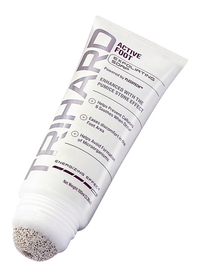
- ✅ Apply a dedicated swimmer's shampoo — like TRIHARD Swimmer's Shampoo — and work through hair from root to tip
- ✅ Leave shampoo on for 1-2 minutes to allow chelating agents to fully dissolve mineral buildup
- ✅ Rinse thoroughly with cool or lukewarm water (hot water opens the cuticle further and increases dryness)
- ✅ Follow immediately with a moisturizing conditioner or hair mask
- ✅ Use the TRIHARD Swimmer's Hair Mask 2-3 times per week for deep hydration on training-heavy weeks
- ✅ Avoid heat styling directly after swimming — allow hair to air dry or use the lowest heat setting
- ✅ Pre-treat hair before your next swim with a leave-in conditioner or protective oil to reduce absorption
How Often Should Swimmers Shampoo?
You should use a swimmer-specific shampoo every time you swim — not just weekly. Each swim session deposits chlorine or salt that begins damaging the hair shaft within hours. Daily swimmers can use a gentle swimmer's shampoo daily without over-stripping, provided the formula is sulfate-free and moisture-balanced. On rest days, a lightweight co-wash or conditioner-only rinse is sufficient to maintain moisture levels without over-cleansing.
TRIHARD Products Designed Specifically for Swimmer Hair Care
TRIHARD was built by swimmers, for swimmers. Every product in the lineup is formulated to address the exact chemical and physical stresses that pool and open-water training puts on skin and hair. Unlike generic "clarifying" shampoos that simply strip everything off, TRIHARD's swimmer-focused formulas target chlorine and mineral buildup specifically while actively replenishing moisture at the same time.
TRIHARD Swimmer's Shampoo
The TRIHARD Swimmer's Shampoo is a sulfate-free, chelating formula designed for daily use by competitive and recreational swimmers. It effectively removes chlorine, salt, and mineral deposits without stripping natural oils, leaving hair clean, soft, and manageable after every session. The formula includes conditioning agents that begin restoring moisture during the wash itself — so you are not just cleaning, you are treating.
TRIHARD Swimmer's Hair Mask
For swimmers training four or more days per week, a weekly deep conditioning treatment is essential. The TRIHARD Swimmer's Hair Mask delivers an intensive moisture boost that repairs the cumulative damage of repeated chlorine exposure. Apply after shampooing, leave for 3-5 minutes, and rinse for noticeably softer, more resilient hair. It is especially effective for swimmers experiencing significant dryness, breakage, or color-treated hair that is particularly vulnerable to chlorine damage.
Frequently Asked Questions About Swimmer Shampoos
Can I use a regular clarifying shampoo instead of a swimmer's shampoo?
Clarifying shampoos can remove some surface buildup, but they are not formulated with chelating agents designed to break the chemical bond between chlorine/minerals and the hair shaft. They also tend to be more stripping and drying than swimmer-specific formulas. For occasional swimmers (once per week or less), a clarifying shampoo may suffice. For regular swimmers, a dedicated swimmer's shampoo is strongly recommended to prevent cumulative damage over a season.
How do I prevent green hair from chlorine swimming?
Green hair in swimmers is caused by copper deposits from pool infrastructure bonding with chlorine and oxidizing on the hair shaft — not chlorine itself. The best prevention is using a chelating swimmer's shampoo immediately after every pool session, as chelating agents bind to copper ions and remove them before oxidation sets in. Pre-swim hair wetting and wearing a swim cap also reduce copper absorption significantly. A safety note: if you notice persistent scalp irritation or unusual hair changes, consult a dermatologist or trichologist.
Is swimmer's shampoo safe for color-treated hair?
Yes — sulfate-free swimmer's shampoos are generally safe for color-treated hair and are actually preferable to standard shampoos for dyed hair since they are less stripping. Color-treated hair is more porous than untreated hair, making it even more susceptible to chlorine damage and color fading. Using a swimmer's shampoo with strengthening proteins and moisturizing oils helps preserve color vibrancy while protecting the compromised hair structure. Always follow with a color-safe conditioner for best results.


Leave a comment