









Best Body Wash for Swimmers: Can a Body Wash Actually Remove Chlorine?
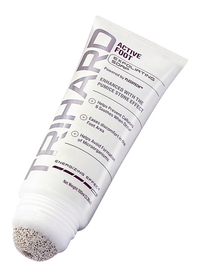
Yes — a body wash can effectively remove chlorine from your skin, but only if it's formulated to do so. Standard grocery-store body washes are designed to lift everyday dirt and oils; they aren't built to neutralize chloramines — the compounds that form when chlorine bonds with sweat, oils, and skin proteins. A purpose-built swimmer's body wash, like TRIHARD's Chlorine Removal Body Wash, uses a specialized blend of ingredients specifically chosen to break down and rinse away chlorine residue, while also replenishing the skin's moisture barrier that pool water strips away. For swimmers who train regularly, this distinction matters enormously for long-term skin health.
Why Chlorine Is Harder to Wash Off Than You Think
How Chlorine Bonds to Skin
When you step out of a pool, chlorine doesn't just sit on the surface of your skin like mud. It binds chemically to keratin — the structural protein in your outer skin layer — and to the natural oils (sebum) that protect your skin barrier. This is why a quick rinse in the shower still leaves that unmistakable chemical smell on your skin hours later. The chlorine has effectively become part of the surface layer of your skin until it's actively removed or neutralized.

What Chloramines Actually Do to Your Skin
The real culprit for swimmer's skin irritation isn't free chlorine alone — it's chloramines, which form when chlorine reacts with organic matter on your body. Chloramines are more persistent, harder to rinse off, and more irritating to skin than free chlorine. Repeated exposure degrades the skin's lipid barrier, leading to dryness, tightness, flaking, and for some swimmers, visible redness or sensitivity. Over time, this cumulative damage can make skin progressively more reactive and harder to keep comfortable.
Why Regular Body Wash Falls Short
A standard body wash is formulated with surfactants that emulsify oils and lift surface grime. That's useful — but chloramines require a wash with agents capable of actually breaking the chemical bond between chlorine compounds and skin proteins. Without that targeted action, you're essentially rinsing chlorine-bonded skin with scented water. Swimmers who train four or more times per week often notice that even thorough showers with regular soap don't fully eliminate dryness or the chemical smell, precisely because the chemistry isn't there to do the job.

What Makes a Body Wash Effective for Swimmers?
Chlorine-Neutralizing Ingredients
Effective swim-care body washes include ingredients that chemically neutralize or chelate chlorine compounds rather than simply washing over them. Vitamin C (ascorbic acid) is one of the most well-documented natural chlorine neutralizers — it reacts with chloramine and free chlorine to render them inert before they're rinsed away. Look for formulations that combine this with gentle surfactants so the chlorine is neutralized and lifted away from skin simultaneously. TRIHARD's Chlorine Removal Body Wash is built around this principle, combining chlorine-neutralizing actives with skin-conditioning agents designed for the demands of frequent swimmers.
Barrier-Replenishing Hydration
Removing chlorine is only half the equation. Pool water is also a mild alkali that disrupts the skin's slightly acidic pH, and the repeated wet-dry cycle of swimming depletes natural moisturizing factors in the skin. A swimmer's body wash should therefore also contain humectants and emollients — ingredients that draw moisture back into the skin and help seal it in. Without this, even a wash that successfully removes chlorine leaves skin vulnerable to post-swim dryness and tightness.

Gentle Enough for Daily Use
Competitive swimmers often shower twice a day or more — pre-swim rinse and full post-swim wash. A body wash that contains harsh stripping surfactants or synthetic fragrances will compound the irritation caused by chlorine rather than counter it. Swimmer-specific formulas should be free from ingredients that over-strip the skin, and ideally dermatologist-tested or appropriate for sensitive, sports-active skin. The TRIHARD Chlorine Removal Body Wash is formulated specifically for this frequency of use, making it a viable daily driver for training swimmers.
The Full Post-Swim Skin Routine: A Step-by-Step Approach
Step 1 — Rinse Immediately After Exiting the Pool
The sooner you rinse, the less time chloramines have to degrade your skin barrier. Head straight to the showers after your session — even a quick cold rinse before your full shower is beneficial. This pre-wash rinse dilutes surface chlorine and reduces the total load your body wash needs to neutralize.
Step 2 — Wash Thoroughly With a Chlorine-Removal Body Wash
Apply TRIHARD's Chlorine Removal Body Wash and work it into a lather over the entire body, paying particular attention to skin folds, hairline, and other areas where chlorinated water tends to pool and linger. Give the wash a moment of contact time — don't just apply and rinse instantly. Thirty seconds of lather contact allows the active ingredients to do their work before you rinse thoroughly with clean water.

Step 3 — Moisturize Before Your Skin Dries Completely
The most effective time to apply a post-swim moisturizer is while skin is still slightly damp — this seals hydration in rather than applying it to already-tight, dry skin. TRIHARD's Chlorine-Free Skin Set combines chlorine-removal cleansing with post-swim hydration in a coordinated routine designed exactly for this purpose. For swimmers who want a complete kit approach, the Chlorine-Removal Care Kit covers body wash, moisturization, and more in a single package.
Pre-Swim Protection: Don't Wait Until After You Get Out
Why Pre-Swim Skincare Matters
The most overlooked part of swimmer skin care is what you do before you get in the pool. Applying a protective layer to skin before swimming reduces the rate at which chlorine and pool chemicals penetrate the outer skin barrier. Think of it as priming — similar to how a primer coat protects a surface before it's exposed to harsh conditions. This is especially important for swimmers with sensitive or already-compromised skin.
Pre-Swim Products Worth Building Into Your Routine
TRIHARD's The Tri-Care is a comprehensive skin care set designed to support both the pre- and post-swim phases of your routine. For swimmers who want a travel-friendly option to keep in their kit bag, the Travel Kit - Pre & Post Swim Body Lotion and the Travel Kit - After-Swim Body Wash Extra Boost bring the full routine poolside in compact packaging.
Don't Forget Eyes and Face
Goggle pressure and chlorine around the eyes can leave the periorbital skin irritated and marked. TRIHARD's Goggle Marks Soothing Gel is formulated to soothe and hydrate the delicate skin around the eyes post-swim — an area that most swimmer skincare routines neglect entirely. If symptoms persist, spread, or worsen, see a doctor or dermatologist.
Swimmer's Skin Care Checklist: Post-Swim Routine in 6 Steps
- Rinse immediately — Head to the shower as soon as you exit the pool. A cold rinse before your full wash reduces chlorine load on skin.
- Wash with a purpose-built body wash — Use TRIHARD's Chlorine Removal Body Wash and let the lather sit for 30 seconds before rinsing for maximum chlorine-neutralizing effect.
- Treat the eye area — Apply Goggle Marks Soothing Gel to the periorbital area to hydrate and soothe goggle-marked, chlorine-exposed skin.
- Moisturize while damp — Lock in hydration before skin fully air-dries. Use the Chlorine-Free Skin Set or a dedicated post-swim body lotion.
- Don't skip hair care — Chlorine bonds to hair protein just as it does to skin. Use TRIHARD's Swimmers Shampoo Extra Boost 34oz to cleanse chlorine from hair and scalp. The The Hair Comb-O bundles shampoo and conditioner for a full chlorine-removal hair routine.
- Travel smart — Keep a Variety Travel Kit - 32 Sachets in your swim bag so your full routine is always poolside, whether training at home or competing away.
Frequently Asked Questions
Can any body wash remove chlorine, or does it have to be a specialist product?
Standard body washes clean surface dirt but are not formulated to neutralize the chemical bond between chloramines and skin proteins. A specialist swimmer's body wash — like TRIHARD's Chlorine Removal Body Wash — uses targeted active ingredients that standard washes lack. For casual swimmers this may matter less, but for anyone training multiple times per week, the difference is significant.
How long does chlorine stay on skin if you don't wash it off properly?
Chlorine that has bonded to skin keratin can persist for hours and, in some cases, cause ongoing low-level irritation throughout the day. It also continues to dehydrate the skin barrier even after you've left the pool. Washing promptly and thoroughly with a chlorine-removal body wash is the most effective way to prevent this prolonged exposure.
Is swimmer's body wash safe for kids?
Children's skin is more sensitive than adult skin and benefits even more from gentle, chlorine-removing formulations after swim lessons or training. TRIHARD's Skin & Hair Set for Kids is specifically designed for younger swimmers, offering a gentle but effective chlorine-removal routine for both skin and hair.
What if my skin is still irritated after using a swimmer's body wash?
Some swimmers develop sensitivity or a reactive skin response to prolonged pool exposure that goes beyond what topical skincare can fully address on its own. If redness, itching, or irritation persists after consistent use of a chlorine-removal routine, ask a pharmacist or doctor about suitable over-the-counter options for relief. If symptoms persist, spread, or worsen, see a doctor or dermatologist.
Do I need different products for pre-swim and post-swim?
Pre-swim and post-swim skin have different needs: pre-swim is about protection and barrier priming, while post-swim is about chlorine removal and hydration restoration. TRIHARD's Chlorine-Removal Care Kit and the The Tri-Care set are designed to address both phases with purpose-matched products, making it easy to build a complete routine without guesswork.


Dejar un comentario