


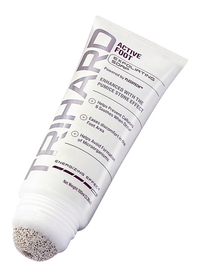







How to Remove Dead Skin from Your Feet: The Complete Guide
The most effective way to remove dead skin from your feet is to combine regular soaking, physical exfoliation, and consistent moisturising. Softening the skin first makes scrubbing far more effective, while locking in hydration afterward prevents the rough, flaky build-up from returning quickly. For swimmers, chlorine exposure accelerates skin dryness, making a dedicated post-swim skincare routine even more essential.

Why Dead Skin Builds Up on Feet
The Natural Skin-Renewal Cycle
Your skin sheds millions of cells daily through a process called desquamation. On the feet, friction from walking, standing, and wearing shoes slows this shedding, causing dead cells to accumulate into thick, rough patches. When the cycle stalls, you get the visible flaking and cracked heels that make feet look and feel neglected.

How Swimming Makes It Worse
Chlorinated pool water strips the skin's natural lipid barrier, leaving feet — already prone to dryness — even more dehydrated after every session. This barrier damage accelerates dead-cell build-up and can lead to cracking. Rinsing thoroughly with a quality Chlorine Removal Body Wash immediately after swimming helps remove residual chlorine and supports the skin's moisture balance before it deteriorates further.
How to Soften Feet Before Exfoliating
The Warm-Water Soak Method
Fill a basin with warm (not hot) water and soak your feet for 10–15 minutes. Adding a tablespoon of Epsom salt or a few drops of gentle oil can help soften calluses faster. Soaking hydrates the outermost dead layers, making them significantly easier to remove without aggressive scrubbing that could cause micro-tears.

Post-Swim Showering as a Two-in-One Step
Swimmers already have softened skin after pool time, making the post-swim shower the ideal moment to address foot texture. Use Chlorine Removal Body Wash with a gentle foot brush or exfoliating mitt while you cleanse. This combines chlorine removal with light physical exfoliation in a single efficient step — no separate soaking session needed.
The Best Methods to Remove Dead Skin from Feet
Physical Exfoliation Tools
A pumice stone is the gold standard for tackling thick calluses on heels and balls of the feet. Use it on damp skin in small circular motions, applying light pressure — never scrub until it hurts. A foot file or exfoliating scrub brush works well for milder roughness and is gentler for sensitive or reactive skin types.

Chemical Exfoliants and When to Use Them
Over-the-counter foot peels and exfoliating creams use mild acids to dissolve the bonds between dead skin cells, allowing them to shed over several days. These are especially effective for stubborn, thick calluses that physical tools struggle to shift. If you have sensitive skin, diabetes, or any open cracks or wounds on your feet, ask a pharmacist or doctor about suitable over-the-counter options before use. If symptoms persist, spread, or worsen, see a doctor or dermatologist.
Your Foot Exfoliation Checklist
- Soak feet in warm water for 10–15 minutes to soften skin
- Use a pumice stone or foot file in gentle circular motions
- Rinse away all loosened dead skin thoroughly
- Pat feet dry, paying attention to the spaces between toes
- Apply a rich moisturising lotion immediately while skin is still slightly damp
- Wear moisture-wicking socks afterward to lock in hydration
Moisturising and Protecting Feet After Exfoliation
Why Hydration Is Non-Negotiable
Exfoliation removes the protective dead-cell layer, temporarily leaving fresh skin more exposed to moisture loss. Applying a hydrating body lotion immediately after is critical to sealing in water and preventing new rough patches from forming too quickly. The Chlorine Protection Body Lotion is formulated with swimmers in mind — it deeply hydrates chlorine-stressed skin, making it an excellent choice for feet that endure both pool exposure and daily friction.

Building a Swim-Specific Foot Care Routine
For swimmers training regularly, protecting feet from chlorine is as important as exfoliating them. A complete routine looks like this: cleanse post-swim with Chlorine Removal Body Wash, exfoliate two to three times per week, and follow up every time with Chlorine Protection Body Lotion. Consistency is everything — irregular care allows dead skin to accumulate faster than you can remove it. For a streamlined option, the Chlorine-Free Skin Set bundles essential skin-care steps together, making it easier to stay consistent. Swimmers who want a comprehensive full-body solution can also explore the Chlorine-Removal Care Kit, which covers cleansing and moisturising from head to toe.
Protecting Kids' Feet at the Pool
Children who swim frequently face the same chlorine-driven dryness on their feet as adults, but their skin is thinner and more sensitive. The Skin & Hair Set for Kids includes a gentle body wash designed to remove chlorine without stripping young skin. Pair it with a fragrance-free children's moisturiser after each pool session to keep their feet smooth and protected. If a child's skin shows persistent redness, cracking, or irritation, see a doctor or dermatologist.
Frequently Asked Questions
How often should I exfoliate the dead skin on my feet?
Two to three times per week is ideal for most people. Swimmers may benefit from a light exfoliation after every session since chlorine accelerates dry-skin build-up.
Can I exfoliate my feet if the skin is cracked or bleeding?
No — skip exfoliation on broken skin and focus on hydration only. If cracks are deep or show signs of infection, see a doctor or dermatologist before resuming any exfoliation routine.
Does chlorine make dead skin on feet worse?
Yes. Chlorine disrupts the skin's natural moisture barrier, accelerating dryness and dead-skin accumulation. Rinsing with a Chlorine Removal Body Wash after every swim significantly reduces this effect.


Dejar un comentario