









When Should You Use a Deep Cleansing Shampoo?
If your hair has been feeling flat, greasy, or hard to manage, it might be time to consider switching up your shampoo routine. Deep cleansing shampoos, also known as clarifying shampoos, are made to break through layers of buildup that regular shampoo might miss. They’re great for getting rid of leftover styling products, hard water minerals, sweat, and chlorine that can cling to your strands over time.
For swimmers and active folks who spend a lot of time in pools, using a deep cleansing shampoo can make a big difference in how hair looks and feels. Chlorinated water creates a film on the surface of the hair and gets into the cuticle layer, which makes hair dry, dull, and more likely to tangle. Using the right type of shampoo helps wash out those pool chemicals before they do lasting damage. But you don’t need to be a daily swimmer to benefit. Even if you just swim on weekends, a clarifying shampoo for chlorine removal might be an easy and helpful fix when your regular wash isn’t cutting it.

Signs You Might Need a Deep Cleansing Shampoo
Everyone’s hair is different, but there are some signs that suggest it’s time to bring in a stronger cleanser. If you’ve been noticing problems like greasy roots just a day after washing, or if your hair looks dull no matter how much conditioner you use, deeper buildup might be the cause. Swimmers especially might notice a rough or rubbery texture in their hair after repeated time in the pool, which tends to indicate chlorine has settled in.
Here are some common signs your hair could use a clarifying shampoo for chlorine removal:
- Hair feels like it has a film on it, even after washing
- Your strands look more frizzy or tangled than usual
- The usual shampoo isn’t cleaning well enough
- Hair color looks faded or has taken on a greenish tint, especially after pool swimming
- Scalp feels itchy or irritated
- Conditioner doesn’t seem to absorb or help much
Aside from styling products and sweat, swimmers have the added issue of chlorine and sometimes saltwater that builds up layer by layer. Over time, that buildup hardens, dries out the hair, and weighs it down. Once that happens, regular shampoo might not fully break through it. This can be especially noticeable for those with blonde, color-treated, or chemically processed hair, which is more porous and prone to soaking up residue.
If you’re unsure whether that’s what’s happening, try this quick example: wash your hair like usual, then run your fingers through it once it’s dry. If it feels stiff, gummy, or like there’s something stuck on the surface, you probably need a deeper clean.
Post-Swim Hair Care Routine
Swim days don’t have to end with your hair feeling like dry straw. A solid hair care routine after you get out of the pool can help protect your hair and restore what chlorine tries to break down. The goal here is to act fast and replenish moisture before dryness or damage takes hold.
Use the steps below as a basic post-swim routine:
1. Rinse your hair right away. Before doing anything else, rinse your hair with clean water. Don’t wait until you’re home. The longer chlorine or salt stays on your scalp, the more it absorbs into your hair.
2. Use a clarifying shampoo for chlorine removal. This step helps flush out the chemical film left by the pool. Unlike everyday shampoo, these are made to break apart buildup tied to chlorine, sweat, and even hard water.
3. Follow up with a hydrating conditioner. After a deep cleanse, you’ve got to seal in softness again. Go for a product made to rehydrate and smooth the hair cuticle.
4. Towel dry gently. Avoid rough towel drying, which can add to frizz and breakage. Pat your hair and let it air dry when possible.
5. Apply leave-in care if needed. For those swimming often, applying a light leave-in spray or mask a few times a week gives your hair a recovery boost.
Doing this consistently helps cut down on the long-term effects chlorine can have on your hair. The best results show up when you treat your post-swim care as part of your regular swim routine, right alongside stretching or rehydrating. It all works together to keep your hair strong, soft, and easier to manage.
Frequency of Using Deep Cleansing Shampoos
How often you should use a deep cleansing shampoo really comes down to how much buildup your hair faces. If you’re swimming daily or hitting the pool multiple times a week, you might need to reach for a clarifying shampoo two to three times per week. If you’re only exposed to chlorine occasionally, once every two weeks might be just enough. The goal is to find a rhythm that clears out residue without drying your hair.
That’s the catch. Clarifying shampoos are strong. They’re great at stripping out unwanted buildup, but they can also remove natural oils if used too frequently. If you notice your hair becoming more dry or brittle, scale back and balance with a hydrating or moisturizing routine.
Here’s a simple breakdown to help guide your usage:
- Swim 3 or more times a week: Use clarifying shampoo 2-3 times a week, especially after swimming
- Swim 1-2 times a week: Once weekly should cover it
- Occasional pool time or product use: Once every two weeks or as needed
- Not swimming but styling regularly: Once a week to remove product buildup
After each clarifying wash, follow up with a rich conditioner and, if possible, use a hair mask or deep treatment once a week. This will help keep your hair smooth and avoid over-drying. If you’re ever unsure, listen to how your hair feels. Stiffness or irritation can mean you’ve done too much. Soft bounce and shine? You’ve likely found your sweet spot.
Additional Tips for Maintaining Healthy Hair
A clarifying shampoo solves a big part of the problem, but it’s just one piece of a larger routine that keeps your hair feeling fresh after swimming. Small habits before and after your dip in the water can make a major difference over time.
Try adding these tips to your swim routine:
- Wet your hair before pool time. Hair that’s soaked in clean water first won’t soak up as much chlorine.
- Use a swim cap if possible. It won’t block out everything, but it’ll help reduce exposure.
- Apply a pre-swim conditioner or barrier cream to coat your hair strands before swimming.
- Avoid heavy heat styling on swim days, when hair may already be stressed.
- Use a wide-tooth comb to detangle wet hair instead of brushes that tug, twist, and snap strands.
By building a routine with small, consistent habits like these, you strengthen your hair against repeat exposure to chlorine and salt. Plus, it makes the post-swim wash much easier when your hair isn’t starting from a dried-out or knotted state. This cuts down on breakage and frizz and keeps your hair easier to manage.
Keeping Your Hair Fresh and Clean
After spending time in the pool, your hair needs a little extra attention, and using a clarifying shampoo for chlorine removal is an easy way to give it what it needs. From clearing away product and chemical buildup to restoring softness and bounce, deep cleansing shampoos are an important part of any post-swim routine. Just knowing when and how often to use it can make the difference between dull hair and a head full of life.
Hair care is personal, but chlorine damage shows up in surprisingly similar ways for a lot of swimmers. When you’ve got a clear routine and the right tools, it’s easier to stop damage before it starts. Rinse early, shampoo smart, and throw in some conditioner love to keep your hair looking and feeling its best.
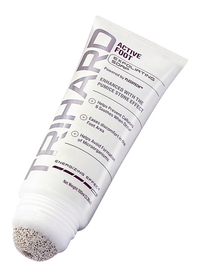
Whether you’re a frequent swimmer or just enjoy the occasional dip, keeping your hair healthy and free from chlorine damage is easy with the right products. Explore our swimmer haircare lineup and restore softness with our highly effective clarifying shampoo for chlorine removal. With TRIHARD, your hair can stay clean, refreshed, and ready for your next swim.


Dejar un comentario