









AquaGuard vs SwimShield: How Do They Compare for Chlorine Protection?
AquaGuard and SwimShield are both marketed to swimmers seeking chlorine protection, but neither is purpose-built the way dedicated swim-care brands are. Both products offer basic barrier or moisturising functions, yet neither is formulated around the full cycle of pre-swim protection, chlorine removal, and post-swim recovery that regular pool users actually need. For serious swimmers, a specialist approach consistently outperforms generic options.
What AquaGuard and SwimShield Actually Do
AquaGuard's Approach to Chlorine Defence
AquaGuard positions itself as a protective barrier cream applied before swimming. It aims to reduce how much chlorinated water penetrates the skin's surface. While this concept is sound, general-purpose barrier creams are rarely tested under sustained swim conditions, meaning protection can break down quickly once you enter the pool.

SwimShield's Moisturising-First Strategy
SwimShield leans more heavily on post-swim moisturisation, aiming to replenish what chlorine strips away. This reactive approach addresses dryness after the fact rather than preventing chlorine absorption from the start. For swimmers training daily, waiting until after a session to begin protecting skin often means repeated irritation accumulates over time.
Where Both Products Fall Short for Regular Swimmers
No Full Pre-to-Post Routine
Neither AquaGuard nor SwimShield offers a complete swim-care system. Protecting skin from chlorine properly requires three stages: pre-swim shielding, thorough chlorine removal mid-session or immediately after, and post-swim restoration. Products that address only one stage leave swimmers exposed during the others, which compounds skin stress over a weekly training schedule.

Formulation Gaps Under Real Pool Conditions
Chlorine is a persistent chemical that binds to skin proteins and hair keratin. Rinsing with plain water does not fully remove it. Products like AquaGuard and SwimShield are not specifically formulated to break down chlorine bonds, which means residual chlorine continues working on the skin long after you leave the pool. This is where swim-specific chemistry matters most.
The TRIHARD Difference: Built Around Swimmers
Pre-Swim Protection That Stays Put
TRIHARD's Chlorine-Free Skin Set is formulated specifically to create a skin-conditioning layer before you enter the water, helping minimise direct chlorine contact throughout your session. Unlike general barrier creams, it is tested on swimmers and designed to hold up across laps, not just the first few minutes. Pairing it with a dedicated wash makes the routine seamless.

Chlorine Removal After Every Session
After swimming, the priority shifts to actively removing chlorine residue. TRIHARD's Chlorine-Removal Care Kit combines a targeted body wash and shampoo designed to help lift chlorine compounds from skin and hair, then restore hydration. This two-step removal-and-replenishment approach is what distinguishes specialist swim care from a standard moisturiser applied after a shower.
Building a Smarter Chlorine-Protection Routine
The Essential Swimmer's Checklist
A consistent routine beats any single product. Whether you are comparing AquaGuard, SwimShield, or exploring swim-specific alternatives, the steps below form the foundation of effective chlorine protection:

- Pre-swim: Apply a conditioning skin layer before entering the pool
- Rinse immediately: Shower within minutes of leaving the water
- Cleanse with swim-specific wash: Remove chlorine bonds, not just surface water
- Shampoo for swimmers: Use a formula targeting chlorine in hair, not a standard shampoo
- Moisturise post-wash: Replenish lipids stripped during the swim and cleanse cycle
- Protect eyes and face: Address goggle pressure marks and facial dryness separately
Product Recommendations for Every Step
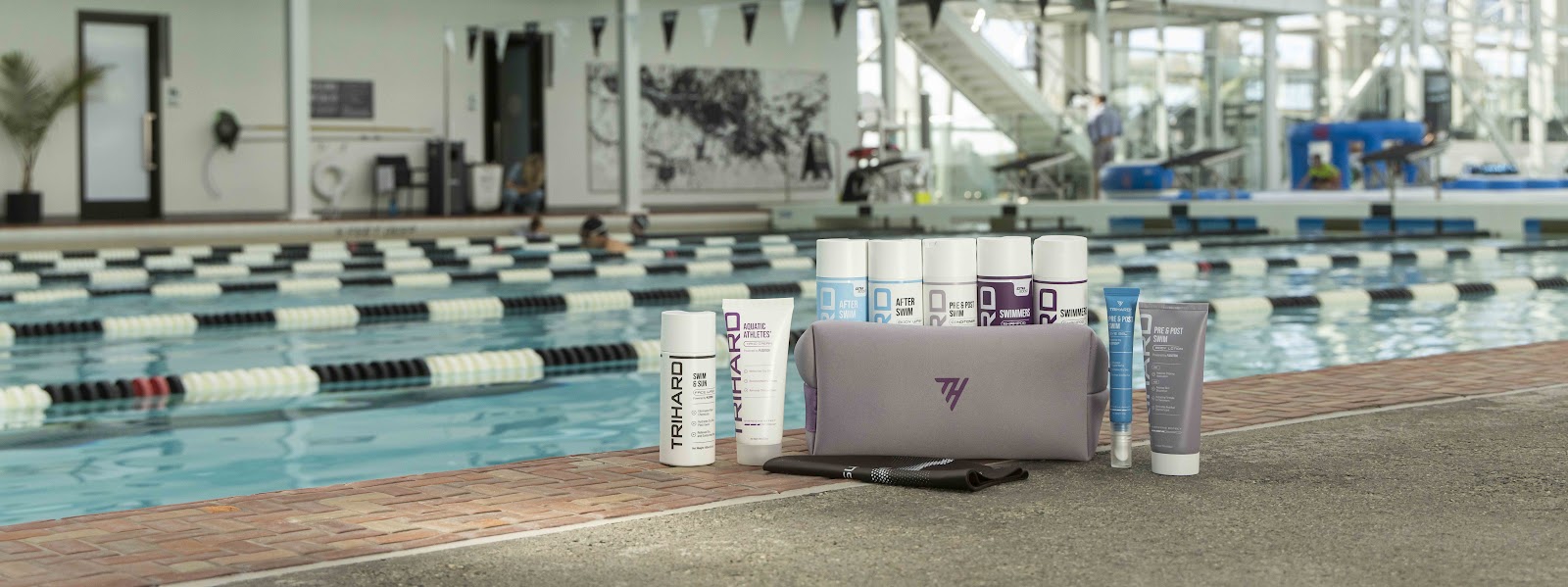
For a complete routine in one purchase, The Ultimate Swim Care Kit covers every stage from pre-swim to post-swim recovery. If you prefer to start with targeted body care, the Travel Kit - Pre & Post Swim Body Lotion is an easy entry point. Swimmers dealing with persistent goggle irritation around the eyes can also benefit from the Goggle Marks Soothing Gel, which helps calm the skin around the eye area after each session. If symptoms persist, spread, or worsen, see a doctor or dermatologist.
Frequently Asked Questions
Is AquaGuard or SwimShield better for sensitive skin?
Neither is formulated specifically for sensitive swimmer skin. A dedicated swim-care range with clinically considered ingredients is a safer choice for those prone to chlorine-triggered dryness or irritation.
Can I use a regular moisturiser instead of a swim-specific product?
Regular moisturisers do not remove chlorine bonds from skin. Without proper chlorine removal first, moisturising simply seals residual chlorine in, which can worsen dryness over time.
What is the best TRIHARD kit for a competitive swimmer?
The Ultimate Swim Care Kit is the most comprehensive option, covering skin, hair, and eye care across every stage of a swim session.


Lascia un commento