









Best Eye Drops for Swimmers: Lubricating vs. Redness-Relief Drops Compared
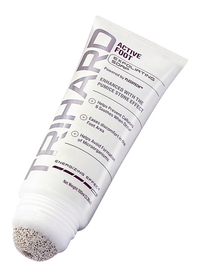
If your eyes are red, dry, or irritated after swimming, the real fix starts before you reach for eye drops. TRIHARD Eye Cream for Swimmers is specifically formulated to protect the delicate skin around your eyes from chlorine and salt water — reducing the irritation cycle that sends most swimmers hunting for drops in the first place. That said, eye drops still have a role in your swim-care routine, and this guide breaks down exactly which type to use and when.
- TRIHARD Eye Cream for Swimmers — Protects and soothes the skin around the eyes from chlorine, salt, and UV damage before and after every swim.
- TRIHARD Swimmer's Shampoo — Removes chlorine and chemical buildup from your hair and scalp post-swim, complementing a full after-swim recovery routine.
Why Swimmers Experience Eye Irritation in the First Place
Chlorine and Combined Chlorines
Contrary to popular belief, it's not chlorine alone that irritates swimmers' eyes — it's chloramines, the chemical compounds formed when chlorine bonds with organic matter like sweat, body oils, and cosmetics. These combined chlorines disrupt the natural pH of your tear film, strip away the lipid layer that keeps eyes lubricated, and leave the skin around your eyes dry, red, and inflamed after a session in the pool.
Salt water pools and open-water swimming carry their own challenges: salt concentration, bacteria, and environmental debris all contribute to eye stress. Whether you swim in a chlorinated lap pool, an ocean, or a lake, your eyes are working hard to recover after each session.


The Skin Around Your Eyes Matters Too
Most swimmers focus entirely on their eyes themselves — the redness, the blur — and ignore the periorbital skin, the delicate tissue surrounding the eye. This skin is among the thinnest on the body and absorbs chemical exposure rapidly. Using a targeted product like TRIHARD Eye Cream for Swimmers both before and after swimming creates a protective barrier, minimizes absorption of pool chemicals, and speeds up recovery. This is the layer of protection that most swimmer skincare routines are completely missing.
Lubricating Eye Drops: What They Do and When to Use Them
How Lubricating Drops Work
Lubricating eye drops — often labeled as artificial tears — work by supplementing your eye's natural tear film. They typically contain ingredients like sodium hyaluronate, carboxymethylcellulose, or glycerin that coat the surface of the eye, reduce friction, and restore moisture lost through chemical or environmental exposure. For swimmers, lubricating drops are the most appropriate over-the-counter option for general dryness and mild irritation caused by pool water.
They are preservative-free options especially well-suited for frequent use. If you swim daily, look for single-dose vials that can be used immediately post-swim without worrying about contamination or preservative buildup on the corneal surface. Always follow the label instructions and consult your eye care professional if symptoms persist.
Best Use Cases for Lubricating Drops
- Dryness or grittiness after pool sessions
- Mild blurred vision post-swim that clears with blinking
- Contact lens wearers experiencing dryness (use lens-compatible formulas)
- Swimmers with naturally dry eyes or those in air-conditioned facilities
- Daily or twice-daily swimmers who need a gentle, repeatable option
Redness-Relief Eye Drops: The Truth Swimmers Need to Hear
Why Redness-Relief Drops Are Overused by Swimmers
Redness-relief drops are among the most-purchased eye care products, but they are widely misused — especially by swimmers. These drops work by constricting the blood vessels in the eye to cosmetically reduce the appearance of redness. They do not address the underlying cause of the irritation. For swimmers, this is a critical distinction: using redness-relief drops repeatedly can lead to a rebound effect where eyes become more red and dependent on the drops over time.
Safety note: Redness-relief drops are not recommended for frequent or long-term use without guidance from an eye care professional. If you find yourself reaching for redness drops after every swim, this is a sign your swim-care routine needs adjustment — not more drops.
Not sure if, or what you actually need?
Tell us how chlorine shows up in your life and we'll point you to the right fit.


Not sure you're actually affected?
When Redness-Relief Drops Might Be Appropriate
Occasional, situational use — such as before an important event after a morning swim — is generally considered low risk for healthy adults. However, they should never replace a proper after-swim recovery routine. The smarter approach is to pair occasional use with a complete swim-care system: rinse your face with clean water immediately after exiting the pool, apply TRIHARD Eye Cream for Swimmers to the periorbital area, and follow up with your full TRIHARD After-Swim skincare routine to neutralize chlorine across your face and body. This proactive approach dramatically reduces the need for any redness relief drops over time.
Building a Complete Eye-Care Routine for Swimmers
Before You Swim: Prevention Beats Treatment
The most effective strategy for swimmer's eye irritation is prevention. Apply TRIHARD Eye Cream for Swimmers around the orbital area before entering the water. This creates a protective moisture barrier that slows chemical absorption during your session. Always wear well-fitted swim goggles — they are your first line of defense against chlorine and salt water contact. If you wear contact lenses, remove them before swimming and switch to prescription goggles where possible.
Your Post-Swim Eye-Care Checklist
- Rinse immediately — Splash your closed eyes with clean, fresh water as soon as you exit the pool or open water.
- Remove goggles gently — Avoid rubbing the eye area when removing goggles, as this spreads residual chemicals.
- Apply TRIHARD Eye Cream — Gently pat TRIHARD Eye Cream for Swimmers around the orbital bone to soothe and restore the periorbital skin barrier.
- Use lubricating drops if needed — If eyes still feel dry or gritty, use preservative-free lubricating drops as directed.
- Shower and cleanse fully — Use a dedicated swim shampoo and body wash to remove all chlorine from hair and skin, reducing total chemical load on your body.
- Hydrate — Internal hydration supports tear film quality. Drink water consistently around your training sessions.
Frequently Asked Questions
Which TRIHARD product should I use if I have chlorine eye irritation after every swim?
Start with TRIHARD Eye Cream for Swimmers. Apply it before and after every swim session to protect and repair the delicate skin around your eyes. For persistent in-eye dryness or grittiness, pair it with preservative-free lubricating eye drops used immediately post-swim. If redness and irritation continue beyond 48 hours, consult an eye care professional — it may indicate an underlying condition rather than routine swim irritation.
How often should I use eye drops and TRIHARD Eye Cream as a swimmer?
TRIHARD Eye Cream for Swimmers is designed for daily use — apply it as part of your pre- and post-swim skincare routine every training day. Preservative-free lubricating drops can be used as needed after each swim, typically once or twice post-session. Redness-relief drops should only be used occasionally and not as a daily habit. Consistency with your skincare routine — including the Eye Cream — reduces how often you'll need drops at all over time.
Is TRIHARD Eye Cream safe for kids or swimmers with sensitive skin?
TRIHARD Eye Cream for Swimmers is formulated with swimmers' skin in mind, including those with sensitivity to chlorine and salt water. However, as with any skincare product, we recommend reviewing the full ingredient list if your child or you have known allergies or highly reactive skin, and performing a patch test before first use. For young swimmers, always consult a pediatrician or dermatologist before introducing new skincare products around the eye area. TRIHARD products are cosmetic formulations — they are not treatments for medical eye conditions.


