









Post-Pool Haircare: Ultimate Guide to Revive Chlorine-Damaged Hair (2026)

Why Swimming Can Damage Your Hair?
Swimming is one of the healthiest activities for the body, but frequent exposure to chlorinated pool water can take a serious toll on your hair.

Chlorine is used in pools to kill bacteria and keep water safe. However, this powerful disinfectant also strips away natural oils from your hair and scalp, leaving hair dry, brittle, and prone to breakage.
Many swimmers experience what is commonly called “swimmer’s hair” — a condition caused by repeated chlorine exposure that leads to dryness, discoloration, and tangling.

The good news is that with the right prevention strategies and post-swim care routine, you can keep your hair healthy, strong, and hydrated even if you swim frequently.
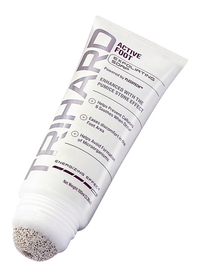
For swimmers who train regularly, using specialized chlorine-removal products can make a major difference in protecting both skin and hair. Products designed specifically for swimmers, like those in the TRIHARD swim care collection, help neutralize chlorine residue while restoring moisture.

What Is Swimmer’s Hair?
“Swimmer’s hair” refers to the visible hair damage caused by frequent exposure to chlorine, saltwater, and pool chemicals.

Common signs include:
-
Dry, rough texture
-
Split ends
-
Hair discoloration
-
Increased tangling
-
Breakage or thinning
Hair that is color-treated, naturally dry, or curly tends to be more vulnerable to chlorine damage because the cuticle layer is already more porous.
Without proper care, chlorine can gradually weaken hair fibers and cause long-term damage.
Frequent swimmers often experience these symptoms alongside skin irritation after swimming, which is why many athletes follow a complete post-swim routine that includes both hair and skincare protection.
How Does Chlorine Damage Hair?
Chlorine affects hair in several ways.
1. Stripping Natural Oils
Hair naturally produces oils that protect and lubricate each strand. Chlorine removes these oils, leaving hair dry and unprotected.
2. Weakening the Hair Cuticle
The hair cuticle acts as a protective outer layer. Chlorine can lift and damage this layer, causing:
-
Frizz
-
Breakage
-
Loss of shine
3. Depositing Metals in the Hair
Pool water often contains trace metals like copper and iron. When chlorine oxidizes these metals, they can attach to hair strands and cause discoloration.
This is why light-colored hair sometimes turns green after swimming.
Why Does Pool Water Sometimes Turn Hair Green?
Contrary to popular belief, chlorine itself does not turn hair green.
Instead, metals in the water react with chlorine and oxygen, creating oxidized compounds that attach to porous hair.
These metal deposits can cause:
-
Green tint in blonde hair
-
Brassiness in colored hair
-
Dull or uneven tone
Hair that is chemically treated or bleached absorbs these metals more easily.
Regular cleansing with a chlorine-removal wash helps prevent these mineral deposits from building up.
How to Prevent Chlorine Damage Before Swimming
Preventing chlorine exposure is easier than repairing damage afterward. Swimmers can protect their hair with a few simple steps.
1. Pre-Soak Your Hair with Clean Water
Before entering the pool, rinse your hair thoroughly with fresh water.
Hair acts like a sponge. When it's already saturated with clean water, it absorbs less chlorinated pool water.
2. Apply a Protective Hair Barrier
Using a lightweight conditioner or protective hair product before swimming can create a barrier that reduces chlorine absorption.
Some swimmers use:
-
Leave-in conditioner
-
Natural oils like coconut oil
-
Protective swim hair creams
Many swimmers also apply protective skincare before entering the pool to minimize chlorine exposure on their skin.
3. Wear a Swim Cap
Swim caps help reduce water exposure and protect hair from prolonged contact with chlorine.
While caps don’t completely block water, they significantly reduce chemical exposure.
4. Rinse Immediately After Swimming
The longer chlorine stays on your hair, the more damage it can cause.
Rinsing right after leaving the pool removes much of the chemical residue before it penetrates deeper into the hair shaft.

How to Repair Chlorine-Damaged Hair
If your hair already shows signs of swimmer’s hair, recovery requires restoring moisture and removing chemical buildup.
1. Use a Chlorine-Removal Cleanser
Regular shampoos are not designed to remove chlorine residue.
Swimmers benefit from specialized cleansing formulas that remove chlorine and pool chemicals without stripping natural moisture.
After swimming, many athletes also use a chlorine-removal body wash like the TRIHARD chlorine removal body wash to cleanse the skin and hairline areas where chemicals accumulate.
2. Deep Condition Regularly
Chlorine damage often leaves hair dehydrated and brittle.
Using a deep conditioning mask 1–2 times per week can restore hydration and improve elasticity.
Look for ingredients such as:
-
Keratin
-
Argan oil
-
Shea butter
-
Aloe vera
Hydrating products that restore moisture are essential for swimmers who train multiple times per week.
3. Restore Scalp Hydration
The scalp also suffers from chlorine exposure.
A healthy scalp is essential for healthy hair growth, so using gentle moisturizing treatments can help prevent dryness and irritation.
Many swimmers also notice skin irritation around the eyes and forehead after swimming, which is why targeted products like the TRIHARD Pre & Post Swim Eye Gel can help soothe delicate skin areas affected by pool chemicals.

8 Steps to Protect and Repair Your Hair After Swimming
Follow this simple routine to keep your hair healthy even if you swim frequently.
1. Rinse hair before entering the pool
2. Apply protective conditioner or oil
3. Wear a swim cap when possible
4. Rinse immediately after leaving the pool
5. Use a chlorine-removal cleanser
6. Apply a hydrating conditioner
7. Deep condition weekly
8. Maintain consistent post-swim care
Athletes who swim frequently often combine these steps with a full post-swim skincare routine to protect both hair and skin from chemical damage.
Real Swimmer Story: Recovering from Chlorine Damage
Many swimmers experience noticeable hair changes during training seasons.
One recreational swimmer who trained four days per week began noticing severe dryness and tangling after several months of regular pool sessions.
After implementing a routine that included:
-
Pre-swim hair protection
-
Chlorine-removal cleansing
-
Weekly deep conditioning
her hair gradually regained its softness and shine within several weeks.
Stories like this highlight how consistent swimmer-specific care routines can significantly improve hair health for frequent swimmers.
Post-Swim Haircare Routine for Healthy Hair
The most effective post-pool haircare routine includes three essential steps.
Cleanse
Remove chlorine and chemical buildup using a swimmer-friendly cleanser.
Hydrate
Restore moisture with a nourishing conditioner or hair mask.
Protect
Maintain long-term hair health by following a consistent routine before and after swimming.
Many swimmers combine haircare with hydrating body care products like the TRIHARD Body Lotion, which helps restore the skin barrier and neutralize chlorine odor after training sessions.
Frequently Asked Questions About Chlorine-Damaged Hair
Can chlorine permanently damage your hair?
Chlorine does not permanently damage hair, but frequent exposure can weaken the hair cuticle, leading to dryness, brittleness, tangling, and split ends. When chlorine strips away natural oils, hair becomes more vulnerable to breakage and discoloration.
Fortunately, most chlorine damage can be reversed with the right routine. Using chlorine-removal cleansing products after swimming and restoring hydration with moisturizing treatments can help repair damaged strands. Swimmers who train regularly often rely on swimmer-specific cleansing products like the TRIHARD chlorine removal body wash to remove chemical residue from the scalp and hairline while maintaining healthy skin.
How do swimmers protect their hair from chlorine?
Swimmers use several simple strategies to reduce chlorine exposure and prevent hair damage.
The most effective steps include:
-
Rinsing hair with clean water before entering the pool
Applying a protective conditioner or natural oil -
Wearing a swim cap to reduce chemical exposure
-
Rinsing immediately after swimming
Many swimmers also follow a complete pre-swim and post-swim routine that protects both hair and skin from chlorine exposure. Using swimmer-specific products from the TRIHARD swim care collection can help neutralize chlorine while restoring moisture after every swim.
What shampoo removes chlorine from hair?
Regular shampoos are not designed to remove chlorine buildup. Instead, swimmers benefit from chlorine-removal or clarifying cleansers that break down chemical residue and wash it away effectively.
These specialized cleansers help remove:
-
Chlorine residue
-
Heavy metals from pool water
-
Mineral buildup
Using chlorine-removal products regularly helps maintain healthier hair and scalp conditions for swimmers who train frequently.
How often should swimmers wash their hair?
Swimmers who swim frequently should rinse their hair after every pool session to remove chlorine and pool chemicals.
However, daily washing with harsh shampoos can strip the scalp of natural oils. A balanced routine usually includes:
-
Rinsing hair immediately after swimming
-
Using chlorine-removal cleansing products when needed
-
Applying deep conditioning treatments once or twice per week
Maintaining a consistent routine is the best way to keep hair healthy and hydrated despite repeated chlorine exposure.
Why does chlorine make hair dry and brittle?
Chlorine damages hair by removing natural oils that normally protect each strand. Without these oils, the hair cuticle becomes rough and porous.
This can lead to:
-
Dryness and frizz
-
Increased tangling
-
Breakage and split ends
-
Dull or faded color
Chlorine can also cause irritation around the scalp and hairline, which is why swimmers often combine haircare with targeted skincare solutions such as the TRIHARD Pre & Post Swim Eye Gel to soothe sensitive skin areas affected by pool chemicals.
How can I repair chlorine-damaged hair?
Repairing chlorine-damaged hair requires removing chemical buildup and restoring moisture to the hair fibers.
A simple recovery routine includes:
-
Rinsing hair immediately after swimming
-
Using a chlorine-removal cleanser
-
Applying a hydrating conditioner
-
Using a deep conditioning treatment weekly
Many swimmers also follow a complete post-swim recovery routine that protects both hair and skin. Hydrating products like the TRIHARD Body Lotion can help restore moisture to the skin barrier after swimming while supporting overall post-swim care.
Can swimming pools change hair color?
Yes, swimming pools can sometimes change hair color, especially for people with blonde, gray, or chemically treated hair.
This usually happens because metals such as copper and iron in pool water oxidize when combined with chlorine. These oxidized metals can attach to porous hair strands, creating a greenish tint.
Proper post-swim cleansing helps prevent metal buildup and keeps hair looking healthy and vibrant.
Final Thoughts: Protect Your Hair from Chlorine Damage
Swimming should improve your health — not damage your hair.
Understanding how chlorine affects hair and following a consistent prevention and recovery routine can help keep your hair strong, smooth, and healthy.
By protecting your hair before swimming and restoring moisture afterward, you can significantly reduce chlorine damage and maintain beautiful, resilient hair all year long.
If you swim regularly, consider using swimmer-specific hair and skincare products like the TRIHARD chlorine removal swim care kit to remove chlorine buildup and restore hydration after every swim.


Lascia un commento