




Best Practices for Swimming in Saltwater Without Smelling Like Chlorine
Swimming in saltwater does not cause that familiar chlorine smell — chlorine comes exclusively from pool chemicals, not the ocean. If you smell like chlorine after a saltwater swim, you likely swam in a saltwater-converted pool, which still uses chlorine at lower concentrations. The best practices to avoid that smell are simple: rinse immediately after swimming, use a dedicated pre-swim barrier, and cleanse with a swimmer-specific body wash that neutralizes chlorine and salt residue at the skin level.
Why Saltwater Swimmers Still Smell Like Chlorine
Saltwater Pools vs. the Ocean
This is the most common source of confusion. A saltwater pool is not chlorine-free — it uses a salt chlorinator to continuously generate chlorine from dissolved salt. The chlorine concentration is typically lower (around 1–3 ppm versus 3–5 ppm in a traditional pool), but it is still present on your skin after every session. Ocean swimmers, by contrast, are exposed to natural sea salt, minerals, and microorganisms — none of which produce that sharp chemical odor. If you swim in a saltwater pool and notice a chlorine smell afterward, the chemistry is working exactly as designed.
How Chlorine Bonds to Skin and Hair
Chlorine does not simply rinse away with water. It reacts with the natural oils, proteins, and dead cells on your skin to form chloramines — the compounds actually responsible for the strong smell many people associate with "chlorine." These chloramines cling to skin and hair long after you leave the water. Without an active cleansing step, a plain water rinse removes only surface-level residue and leaves the bonded compounds behind. This is why a targeted cleanser formulated to break those bonds is essential, not optional.
Pre-Swim Preparation to Minimize Absorption
Saturate Skin Before You Enter the Water
Your skin acts like a sponge. If it is already saturated with clean water or a protective barrier before you enter a chlorinated saltwater pool, it absorbs significantly less of the chemical-laden water during your swim. Shower for at least 60 seconds before getting in — most competitive swimmers follow this rule instinctively. For an added layer of protection, apply TRIHARD Pre-Swim Lotion to exposed skin. This creates a physical barrier that reduces chlorine penetration, preserves moisture, and makes post-swim cleanup faster and more effective.
Protect Your Hair With a Pre-Swim Conditioner
Hair is porous and absorbs chlorinated water rapidly. Applying a leave-in conditioner or a dedicated pre-swim hair product coats the cuticle layer and dramatically reduces how much chlorine (and salt) your hair soaks up. Wet your hair completely before swimming and work the product through from roots to ends. Swimmers with color-treated or chemically processed hair especially benefit from this step, as chlorine accelerates color fading and increases brittleness over repeated exposures.
Post-Swim Cleansing: The Step That Actually Removes the Smell
Rinse Within 30 Seconds of Exiting the Water
Speed matters. The longer chlorinated water sits on your skin, the more chloramines form and bond. A poolside shower within 30 seconds of exiting significantly reduces total chlorine contact time. Use cool or lukewarm water — hot water opens pores and can drive residual chemicals deeper into the skin. This immediate rinse is your first line of defense, but it is not sufficient on its own.
Use a Swimmer-Specific Body Wash to Neutralize, Not Just Wash
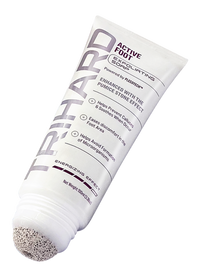
Standard soap removes dirt and surface oils but is not formulated to neutralize chloramines bonded to skin proteins. TRIHARD Swimmer Body Wash is specifically designed to break down chlorine and salt residue at a chemical level, eliminate odor at the source, and restore skin hydration lost during swimming. Work it into a lather across all exposed areas — arms, legs, shoulders, neck, and face — and allow 20–30 seconds of contact time before rinsing. Follow with TRIHARD After-Swim Moisturizer to replenish the skin barrier stripped by repeated water exposure.
Daily Habits for Consistent Skin and Odor Protection
Build a Consistent Pre- and Post-Swim Routine
Single-session fixes help, but the swimmers who maintain healthy, odor-free skin are those who follow a consistent routine across every session. Use the checklist below as your baseline:
- Before swimming: Shower for 60 seconds with clean water
- Before swimming: Apply pre-swim lotion to skin and pre-swim conditioner to hair
- Immediately after: Rinse poolside within 30 seconds
- After swimming: Cleanse with a swimmer-specific body wash (20–30 sec contact time)
- After swimming: Shampoo with a chlorine-removing formula
- After swimming: Apply moisturizer to restore the skin barrier
- Daily: Stay hydrated — well-hydrated skin absorbs fewer chemicals and recovers faster
Frequency, Skin Type, and Adjusting Your Routine
Swimmers training once a week have very different skin needs than those in the water 10–12 sessions per week. High-frequency swimmers often develop chronic dry skin, eczema flares, and persistent odor issues simply because standard skincare products are not built for repeated chemical and water exposure. If you swim more than four times per week, consider adding a weekly deep-conditioning mask for hair and a richer overnight moisturizer for skin. If you have sensitive skin, prioritize fragrance-free, pH-balanced formulations. Safety note: if you experience persistent skin irritation, rash, or allergic reaction after swimming, consult a dermatologist before continuing your routine.
Frequently Asked Questions
Does ocean swimming cause the same skin issues as pool swimming?
Ocean water does not contain chlorine, so it does not cause chloramine odor or the same drying chemical exposure. However, ocean salt, sunscreen residue, sand, and natural microorganisms can still irritate and dehydrate skin. A thorough rinse and moisturizing routine after ocean swims is still strongly recommended, though the urgency to neutralize chemicals is lower than after pool sessions.
Can I use regular shampoo and body wash to remove chlorine smell?
Regular shampoo and body wash clean surface-level dirt and oil effectively but are not formulated to neutralize chloramine compounds bonded to hair proteins and skin. Many swimmers report that even after a thorough wash with standard products, a faint chlorine smell persists — especially in hair. Swimmer-specific products contain active ingredients designed to break those bonds, which is the fundamental difference in outcome.
How long does chlorine stay on skin if I do not wash it off properly?
Without proper cleansing, chloramine compounds can remain on skin and hair for several hours. Factors like skin dryness, water temperature, and session length affect how deeply the compounds penetrate. In practical terms, swimmers who skip the post-swim cleanse often notice the smell well into the afternoon or evening after a morning session. Immediate rinsing and proper cleansing with a targeted formula reduces residue to negligible levels within minutes.


Leave a comment