




Best Natural Remedies for Swimmer's Ear: What Actually Works
If your ears feel itchy, blocked, or tender after swimming, you're not alone — and you don't always need a prescription to find relief. The best natural remedies for swimmer's ear focus on three core strategies: keeping the ear canal dry after every swim, supporting your skin barrier against chlorine and saltwater damage, and building a consistent pre- and post-swim care routine that stops problems before they start. While severe pain, discharge, or hearing changes always require a doctor, most mild swimmer's ear irritation can be prevented and soothed naturally by removing trapped moisture quickly, rinsing away chemical residue, and strengthening the skin's protective layer before it breaks down.
Why Swimmer's Ear Keeps Coming Back — And the Simple Routine That Breaks the Cycle
Most swimmers treat swimmer's ear reactively, waiting until discomfort strikes before taking action. The real solution is understanding why it recurs. Chlorine and saltwater disrupt the ear canal's natural protective barrier, and residual moisture gives bacteria a foothold. Repeated exposure without proper aftercare is the root cause for most competitive and recreational swimmers. A dedicated swim-care routine — used consistently before and after every session — is the single most effective way to break this cycle for good.
How Water Gets Trapped in the Ear Canal
Tight swim caps, earbuds, and certain head positions during turns can all prevent water from draining naturally. Narrow or curved ear canals are also more prone to water retention. Tilting your head side to side and gently tugging on the earlobe after swimming helps gravity do its job and encourages drainage before irritation begins.

The Role of a Disrupted Skin Barrier
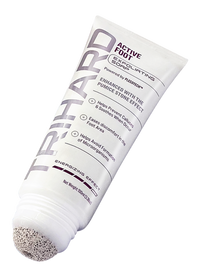
Chlorine strips the ear canal's natural oils, weakening its ability to repel moisture and resist irritation. Supporting overall skin health before and after every swim is a critical — and often overlooked — part of prevention. Using a dedicated Pre-Swim Skin Shield creates a protective layer that reduces the impact of repeated water and chemical exposure on sensitive skin, giving your skin barrier a fighting chance before you even enter the pool.
Natural Approaches That Can Help Soothe Ear Discomfort
When mild irritation strikes, several natural strategies are popular among swimmers for providing comfort. It's important to note that these are supportive, comfort-focused approaches — if you experience significant pain, discharge, hearing changes, or fever, stop swimming and consult a healthcare professional immediately.
Keeping Ears Dry and Warm
Dryness is the single most effective natural tool against swimmer's ear. After each swim, use a clean towel to gently pat around the outer ear. A hair dryer on the lowest, coolest setting held at a distance can help evaporate residual moisture without irritating delicate skin. Many swimmers also find that wearing silicone swim earplugs during training significantly reduces how much water enters the canal in the first place — making prevention easier than recovery.
Gentle Rinsing and Post-Swim Aftercare
Rinsing the outer ear with clean fresh water immediately after leaving the pool or ocean helps remove chlorine, salt, and debris that can irritate delicate skin. Follow up with a gentle, swim-specific body wash designed to remove chemical residue without stripping your skin further. The TRIHARD Post-Swim Body Wash is formulated specifically for swimmers and helps neutralize chlorine and saltwater across your whole body — ears included — leaving skin calm and clean after every session.
Supporting Skin Health From the Outside In
Once you've rinsed and dried, locking in moisture is key. Dry, cracked skin in and around the ear is more vulnerable to irritation from repeat water exposure. A nourishing post-swim lotion or balm applied to the outer ear area helps maintain the skin barrier between sessions. Look for formulas designed with swimmers in mind, like the TRIHARD Post-Swim Lotion, which is built to replenish what chlorine takes away and keep skin resilient through heavy training loads.
Building a Pre- and Post-Swim Routine That Prevents Recurrence
The swimmers who deal with swimmer's ear the least are rarely doing anything dramatic — they're just consistent. A two-step routine before and after every swim addresses the root causes of irritation rather than chasing symptoms after the fact.
- Before swimming: Apply a skin-protective barrier product around the outer ear and over exposed skin to reduce direct chlorine and saltwater contact.
- After swimming: Drain water thoroughly, rinse with fresh water, cleanse with a swim-specific wash, and follow with a hydrating lotion to restore the skin barrier.
- During training: Consider silicone earplugs on days when you're doing high volumes of flip turns or open-water swimming.
This kind of routine doesn't just help with swimmer's ear — it improves skin comfort across your whole body, reduces post-swim dryness, and helps you feel better getting in and out of the water every day.
When to See a Doctor
Natural and preventive approaches work well for mild irritation and general ear discomfort related to moisture and chemical exposure. However, some symptoms are a clear signal to stop swimming and seek medical advice right away:
Not sure if, or what you actually need?
Tell us how chlorine shows up in your life and we'll point you to the right fit.


Not sure you're actually affected?
- Sharp or severe pain inside the ear canal
- Discharge or fluid draining from the ear
- Noticeable hearing loss or a blocked sensation that doesn't clear
- Fever or swelling around the ear or jaw
Don't push through these symptoms. Swimmer's ear that progresses without proper care can become a more serious condition that keeps you out of the water for weeks. When in doubt, get it checked.
The Bottom Line
The best natural remedies for swimmer's ear are built around consistency, not last-minute fixes. Keeping ears dry, rinsing away chemical residue, strengthening your skin barrier, and using swim-specific care products before and after every session are the habits that separate swimmers who struggle with recurring ear issues from those who don't. Start with a pre-swim skin shield, follow with a thorough post-swim rinse and cleanse, and make the routine automatic. Your ears — and your skin — will thank you for it.
Frequently Asked Questions
What are the most effective ways to prevent swimmer's ear naturally?
The best prevention strategy is to keep the ear canal dry after every swim and maintain a consistent pre- and post-swim care routine. This includes rinsing away chemical residue, strengthening your skin barrier with protective products, and using silicone earplugs during training.
How can I safely remove trapped water from my ears after swimming?
You can help gravity drain water by tilting your head from side to side while gently tugging on your earlobe. Additionally, you can pat the outer ear dry with a clean towel or use a hair dryer on the lowest, coolest setting held at a distance.
Why does chlorine cause issues for my ear health?
Chlorine strips the ear canal of its natural oils, which weakens the skin's protective barrier and makes it more vulnerable to irritation and bacteria. Regularly using a nourishing lotion or balm on the outer ear can help replenish these oils and keep the skin resilient.
When should I stop using home remedies and see a doctor?
You should seek medical advice immediately if you experience severe pain, discharge, hearing loss, fever, or swelling. Natural remedies are intended only for mild irritation and should not replace professional medical care for more serious symptoms.


