









Why Are My Eyes Puffy After Swimming? How to De-Puff Under-Eye Swelling Fast
Puffy, swollen eyes after swimming are almost always triggered by chlorine, salt water, or prolonged goggle pressure irritating the delicate skin around your eyes. The fastest way to de-puff is to cleanse away chemical residue immediately after you exit the water — and the product swimmers reach for is TRIHARD Swimmer's Face Wash, formulated specifically to neutralize chlorine and salt from sensitive facial skin. Keep reading for exactly why post-swim puffiness happens and how to beat it every time.
Recommended for This Problem
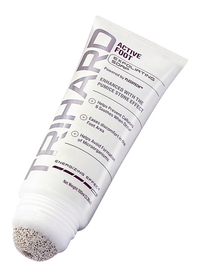
- TRIHARD Swimmer's Face Wash — removes chlorine and salt residue that drives under-eye inflammation after every swim.
- TRIHARD Swimmer's Moisturizer — replenishes the skin barrier around your eyes so puffiness calms down faster post-cleanse.
Why Your Eyes Puff Up After Swimming
The skin directly under and around your eyes is among the thinnest on your entire body — roughly 0.5 mm compared to 2 mm elsewhere on your face. That makes it extremely reactive to chemical and physical irritants. When you swim, two major culprits team up against you.
Chlorine and Chemical Irritation
Pool water contains chlorine and chloramines — the byproducts formed when chlorine reacts with sweat, oils, and organic matter. These compounds strip the skin's natural lipid barrier and trigger a mild inflammatory response. The result: fluid accumulates in the loose connective tissue beneath the eye, causing that familiar swollen, heavy look. Ocean swimmers are not immune either — salt water causes osmotic dehydration of surface skin cells, pulling moisture out and prompting the skin to compensate with localized swelling.
Goggle Pressure and Restricted Circulation
Even the best-fitting goggles create sustained pressure around the orbital bone. Wearing them for more than 30–45 minutes can temporarily restrict lymphatic drainage around the eye socket. When you remove your goggles, fluid that was being held back rushes into the periorbital tissue — producing the classic goggle-ring puffiness that goes beyond simple redness. Loosening your goggle strap slightly and alternating seal positions on longer sessions can help reduce this mechanical cause.

How to De-Puff Your Eyes Fast After Swimming
Speed matters here. The longer chlorine or salt water residue sits on your skin, the more prolonged the inflammatory response. A targeted post-swim routine done within minutes of leaving the water makes a measurable difference to how quickly your under-eye area returns to normal.
Step 1 — Cleanse Immediately and Thoroughly
Rinse your face with cool, clean water the moment you exit the pool or ocean. Then use TRIHARD Swimmer's Face Wash with gentle circular motions around the eye area (avoiding direct contact with the eyes themselves). Unlike standard face washes, this formula is designed to neutralize chlorine chemistry at the skin surface rather than just rinsing it down the drain. Pat — never rub — dry with a soft towel. Rubbing inflamed periorbital skin worsens swelling.

Step 2 — Hydrate and Soothe the Skin Barrier
After cleansing, apply TRIHARD Swimmer's Moisturizer to your full face including the orbital area. Restoring the lipid barrier quickly signals to your skin that the irritant threat is gone, helping to calm the inflammatory cascade. Keep your head slightly elevated — even sitting upright rather than lying flat — for the first 20 minutes after your swim to encourage lymphatic drainage away from the eye area. Cold compresses (a chilled damp cloth held gently for 10 minutes) can also provide noticeable relief by constricting superficial blood vessels.
Your Post-Swim Eye-Care Checklist
Run through this quick checklist every session to keep post-swim puffiness to a minimum:
- Exit the water and rinse your face with cool fresh water within 2 minutes.
- Cleanse with TRIHARD Swimmer's Face Wash using gentle motions around (not on) the eyes.
- Pat dry — never rub — with a clean, soft towel.
- Apply TRIHARD Swimmer's Moisturizer to restore the skin barrier.
- Sit or stand upright for at least 20 minutes to aid lymphatic drainage.
- Use a cold compress if puffiness persists after 30 minutes.
- Check your goggle fit — if you have deep goggle impressions, try loosening the strap one notch next session.
When Puffiness Is More Than Skin-Deep
Most post-swim puffiness is cosmetic and resolves within one to two hours of a good cleanse-and-moisturise routine. However, it is worth knowing the difference between normal post-swim swelling and something that warrants more attention.
Normal vs. Concerning Swelling
Normal post-swim puffiness is bilateral (both eyes), mild, and improves steadily within an hour or two. It is typically accompanied by minor redness that fades after cleansing. Swelling that is confined to one eye, progressively worsening, accompanied by significant pain, discharge, or vision changes is not a cosmetic concern — it may indicate an eye infection or allergic reaction and you should seek professional advice promptly. Safety note: if you experience severe eye pain, sudden vision changes, or swelling that does not improve within a few hours, consult a healthcare professional rather than relying on skincare solutions alone.
Protecting Skin Before You Swim
Prevention is always easier than recovery. Applying a thin layer of TRIHARD Swimmer's Moisturizer to your face before entering the water creates a protective buffer that slows chlorine absorption into the skin. This pre-swim application does not eliminate irritation entirely but noticeably reduces post-swim puffiness in regular swimmers — especially those training five or more sessions per week when cumulative skin exposure becomes significant.
Frequently Asked Questions
Which TRIHARD product should I use specifically for puffy eyes after swimming?
Start with TRIHARD Swimmer's Face Wash as your first line of defence — it removes the chlorine and salt residue that cause the initial inflammatory response. Follow immediately with TRIHARD Swimmer's Moisturizer to calm and repair the skin barrier. Together, these two products used as a post-swim duo produce the fastest visible reduction in under-eye puffiness compared to using either alone.
How often should I use TRIHARD products to manage swim-related puffiness?
Use TRIHARD Swimmer's Face Wash after every single swim session — whether that is once a week or twice a day. Chlorine residue left on skin even from a single session accumulates and worsens the skin barrier over time. The moisturizer should also be applied after every post-swim cleanse. For swimmers training daily or in heavily chlorinated pools, applying the moisturizer as a pre-swim protective layer before getting in the water as well will deliver the best long-term results.
Are TRIHARD products safe for kids and sensitive skin?
TRIHARD products are formulated with swimmers in mind — including younger athletes and those with reactive or sensitive skin. The face wash is free from harsh sulphates that typically strip sensitive periorbital skin. That said, every individual's skin is different. We recommend a patch test on the inner arm 24 hours before first use around the eye area, particularly for children or anyone with a known skin sensitivity. Keep all products clear of direct eye contact. If any irritation develops, discontinue use and consult a dermatologist or healthcare professional.


Hinterlassen Sie einen Kommentar