









Best Recovery Methods and Gear for Swimmers to Prevent Chlorine-Induced Respiratory Irritation
Chlorine-induced respiratory irritation is one of the most common complaints among competitive and recreational swimmers. The best recovery approach combines post-swim breathing cooldown techniques, nasal rinsing, proper pool-side hydration, and thorough skin and hair cleansing with specialist swim-care products like those from TRIHARD. Addressing both airway exposure and skin-barrier recovery after every session dramatically reduces cumulative chloramine irritation over time.
Understanding Chlorine and Respiratory Irritation in Swimmers
How Chloramines Affect Your Airways
When chlorine reacts with organic matter in pool water, it forms chloramines — the primary cause of that sharp, eye-stinging smell at indoor pools. Inhaling chloramine-laden air during high-intensity breathing drills irritates bronchial passages and nasal membranes. Swimmers who train indoors for multiple sessions per week face the highest cumulative exposure risk.

Why Breathing Drills Can Worsen Irritation
Standard bilateral breathing drills force swimmers to take rapid, deep breaths close to the water surface, where chloramine concentration is highest. Unlike open-water swimming, indoor training pools often have poor ventilation, trapping vapors near lane level. Modifying drill intensity and scheduling recovery sets can meaningfully lower chloramine inhalation volume per session.
Immediate Post-Swim Recovery Methods
Nasal Rinsing and Airway Cooldown
Rinsing nasal passages with a saline solution immediately after exiting the pool helps flush residual chloramine particles from mucous membranes. Follow this with five to ten minutes of slow, controlled breathing away from the pool deck to let airways return to baseline. This simple habit is one of the most underutilized recovery tools in competitive swimming.

Hydration and Post-Session Breathing Stretches
Chlorine exposure accelerates moisture loss in respiratory tissue as well as skin, so drinking water immediately post-swim supports mucosal recovery. Pairing hydration with gentle diaphragmatic breathing stretches — slow inhales through the nose, extended exhales through pursed lips — helps clear residual irritants and restores normal breathing rhythm within minutes. If symptoms persist, spread, or worsen, see a doctor or dermatologist.
Skin and Hair Recovery: Your Post-Swim Routine
Cleansing Chlorine From Skin and Hair Immediately
Chlorine that lingers on skin and scalp after training continues to irritate long after you leave the pool. Rinsing off within minutes of exiting is essential. TRIHARD's Chlorine-Removal Care Kit is purpose-built for this step, providing a complete cleanse that helps remove chlorine from skin and hair without stripping natural oils. Pairing it with the Chlorine Removal Shampoo ensures your scalp gets the same specialist treatment as your skin.

Restoring Skin Barrier and Moisture Post-Swim
After cleansing, replenishing the skin barrier is critical. TRIHARD's Chlorine Protection Body Lotion hydrates and helps protect skin after chlorine exposure. For hair, follow up with the Chlorine Protection Conditioner, which works to restore moisture and manageability stripped by pool chemicals. For young swimmers, the Skin & Hair Set for Kids offers the same specialist approach in a gentle, kid-friendly formula.
Gear Choices and Training Adjustments That Reduce Exposure
Essential Gear to Lower Chlorine Contact
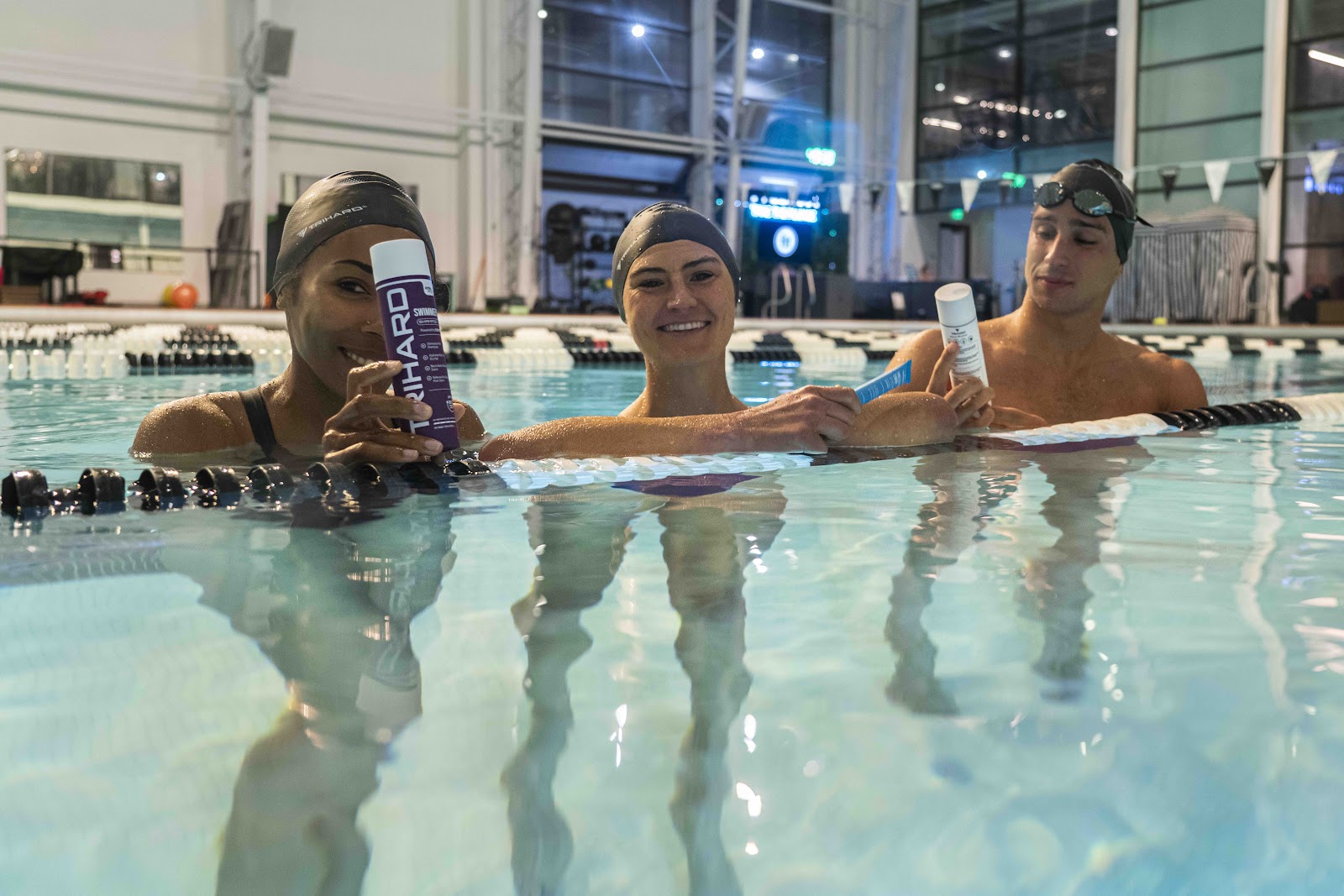
Selecting the right gear is a frontline defense against chloramine inhalation and skin irritation. A well-fitting swim cap reduces scalp chlorine absorption, while high-quality goggles protect eyes from chemical exposure. TRIHARD's Goggle Marks Soothing Gel soothes the sensitive skin around the eyes post-swim, helping to refresh the area after goggle pressure and chemical contact. Use this checklist to audit your recovery kit:

- Saline nasal rinse bottle kept in your swim bag
- High-seal goggles to minimize eye and periorbital chemical exposure
- TRIHARD Chlorine-Removal Care Kit for immediate post-swim cleansing
- TRIHARD Goggle Marks Soothing Gel for eye-area recovery
- Reusable water bottle for poolside hydration
- TRIHARD Chlorine Protection Body Lotion for post-shower skin barrier support
Smart Training Adjustments to Minimize Respiratory Load
Scheduling high-intensity breathing drills during sessions in well-ventilated or outdoor pools reduces chloramine inhalation significantly. When training indoors, advocate for adequate pool ventilation and avoid breathing drills at peak chemical-odor times. Replacing some bilateral breathing sets with hypoxic recovery swims at the end of sessions — when overall intensity is lower — can reduce total chloramine intake per training week.
Frequently Asked Questions
Can a post-swim skincare routine help with chlorine respiratory irritation?
While skincare targets skin and hair, removing chlorine quickly with products like TRIHARD's Chlorine-Removal Care Kit reduces total chemical burden on the body, supporting overall post-swim recovery. If respiratory symptoms persist, see a doctor.

Are breathing drills safe for swimmers sensitive to chlorine?
Yes, but modify drill intensity and pool environment. Choose well-ventilated or outdoor pools, and pair sessions with thorough post-swim nasal rinsing and recovery techniques. Ask a pharmacist or doctor about suitable over-the-counter options if irritation is persistent.
What TRIHARD products are best for a complete post-swim recovery kit?
The Ultimate Swim Care Kit covers skin, hair, and body cleansing in one package, making it the most comprehensive option for swimmers training multiple times per week.


Hinterlassen Sie einen Kommentar