









Why Does Chlorine Turn Hair Green? The Science & How to Fix It
Chlorine doesn't actually turn hair green — copper does. Pool water contains trace amounts of copper from corroded pipes, copper-based algaecides, and pool equipment. When chlorine oxidizes that copper, it forms copper compounds that bind tightly to the protein structure of your hair shaft. The result is a greenish tint, most visible on light-colored or chemically treated hair. Understanding this chemistry is the first step to protecting your hair before, during, and after every swim.
What Actually Causes the Green Tint in Swimmers' Hair?
The Copper-Chlorine Reaction Explained
The green color is caused by copper oxidation, not chlorine itself. Pool water is routinely sanitized with chlorine, which is a powerful oxidizing agent. When chlorine encounters dissolved copper ions in the water, it oxidizes them into compounds — primarily copper chloride and copper sulfate — that are highly attracted to the keratin proteins in your hair. These compounds adhere to the outer cuticle layer and, in porous hair, penetrate deeper into the cortex, creating a lasting green discoloration.

Where Does the Copper in Pool Water Come From?
Copper enters pool water through several routes. Older pools with copper or brass plumbing leach trace amounts of the metal directly into the water. Many pool operators also use copper-based algaecides — a common and effective treatment to prevent algae blooms — which significantly raise copper concentrations. Copper ionization systems, used as a chlorine-reduction strategy in some pools, add copper deliberately. Even well-maintained pools can have elevated copper levels, so no swimmer is completely immune.
Why Is Blonde and Color-Treated Hair Most at Risk?
Hair porosity is the key variable. Bleached, highlighted, and color-treated hair has a raised or damaged cuticle layer, meaning the microscopic scales that normally protect the hair shaft are open and irregular. This lets copper compounds penetrate deeper and bond more strongly. Natural blonde hair, while less porous than bleached hair, also lacks the melanin pigments that can mask discoloration. Dark hair can absorb the same copper compounds but the green is far less visible against brown or black pigment.
Is Chlorine Still Part of the Problem?
Chlorine's Role in Hair Damage
Even without copper, chlorine is hard on hair. It strips the natural sebum layer from both the scalp and the hair shaft, leaving strands dry, brittle, and more prone to breakage. Repeated chlorine exposure degrades the lipid layer of the cuticle, weakens the disulfide bonds that give hair its strength, and accelerates fading of color-treated hair. So while chlorine isn't the direct cause of green hair, it creates the conditions that make copper uptake worse by opening and damaging the cuticle.

Hard Water, pH, and Chemical Interactions
Pool chemistry plays a supporting role. Pools with a lower pH (more acidic) tend to have higher copper solubility, meaning more free copper ions are available to bind to hair. Hard water — high in mineral content — compounds the problem by depositing calcium and magnesium on the hair alongside copper. The combination of mineral buildup and copper oxidation is why some swimmers find their hair not just green, but also stiff, dull, and difficult to manage after a season of regular training.
How Can You Prevent Green Hair From Swimming?
Pre-Swim Hair Saturation: The Single Most Effective Step
Before you enter the pool, wet your hair thoroughly with fresh water. Hair can only absorb a limited amount of liquid — if it's already saturated with clean water, it takes up far less pool water (and therefore far less copper) during your swim. This simple step is one of the most evidence-backed pieces of advice in swim hair care and costs nothing. Think of it as pre-loading your hair so the pool has less room to get in.

Use a Dedicated Pre-Swim Hair Product
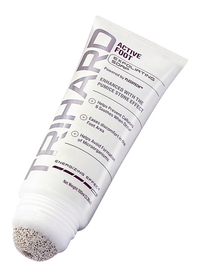
For serious swimmers who train multiple times per week, fresh water alone isn't enough. A pre-swim conditioning treatment creates a barrier on the hair shaft that further reduces copper and chlorine uptake. The Hair Comb-O from TRIHARD is a purpose-built system for swimmers that includes both a pre-swim treatment and post-swim recovery — addressing the full cycle of chlorine and copper exposure that recreational swimmers and competitive athletes face every session.
Wear a Swim Cap
A properly fitted silicone or latex swim cap dramatically reduces the volume of pool water your hair contacts. It won't create a perfect seal, but it significantly limits copper exposure, especially for long training sessions. Pair a swim cap with pre-saturated hair for maximum protection. Note that fabric or mesh caps offer minimal chemical protection — silicone or latex are the materials that matter here.

Rinse Immediately After Swimming
Every minute pool water sits in your hair after you exit the pool, copper compounds continue to oxidize and bind. A thorough cold or lukewarm rinse at poolside — before you even reach the locker room — flushes out a large proportion of the copper and chlorine before it can set. This post-swim rinse is not optional if you care about your hair's long-term condition.
How Do You Remove Green Tint and Chlorine Build-Up From Hair?
Chelating Shampoos: Why Regular Shampoo Isn't Enough
Standard shampoos are formulated to remove oil, product buildup, and surface dirt. They are not designed to break the chemical bond between copper compounds and keratin proteins. For that, you need a chelating shampoo — one that contains chelating agents capable of binding to metal ions and lifting them from the hair shaft. For swimmers, this isn't a luxury; it's a functional requirement. Regular use of a generic shampoo after swimming will leave copper and mineral buildup accumulating session after session.
TRIHARD's Swimmer-Specific Shampoo
The Swimmers Shampoo Extra Boost 34oz is formulated specifically for this purpose — to cleanse chlorine, copper, and mineral deposits from swimmers' hair with each post-swim wash, helping maintain hair health over a full training season. For swimmers who travel to competitions or training camps, the Travel Kit — Swimmers Shampoo Extra Boost brings the same formula in a convenient, portable format. Pair it with the Travel Kit — Pre & Post Swim Conditioner to restore moisture and manageability after each cleanse.
For Kids: Gentle Swim-Care That Still Works
Children's hair is finer and often more porous than adult hair, making young swimmers particularly susceptible to copper discoloration. The Skin & Hair Set for Kids is designed with gentler formulations suitable for children's more sensitive scalp and skin while still providing the chlorine and copper-cleansing action that swim hair care demands.
A Real Swimmer's Experience: From Green Tint to Healthy Hair
Meet Maya: Competitive Swimmer, Frustrated With Green Highlights
Maya is a 28-year-old triathlete who trains in the pool four mornings a week. After six weeks of winter training, she noticed her naturally light-brown hair developing a distinctly greenish cast — especially at the ends, which she'd had highlighted the previous summer. Her regular shampoo wasn't cutting it, and the dryness was making her hair feel like straw.
Her coach pointed out that the pool she trains in uses a copper-based algaecide, making it particularly high-risk for discoloration. Maya made three changes: she started saturating her hair with fresh water at the poolside tap before every session, switched to the Swimmers Shampoo Extra Boost 34oz post-swim, and added the The Hair Comb-O to her routine for pre-swim barrier protection and post-swim conditioning. Within two weeks, the green tint had faded noticeably and her hair felt significantly healthier and more hydrated — something she directly attributed to finally using products built for swimmers rather than repurposed salon formulas.
Your Post-Swim Hair and Skin Care Checklist
- Pre-swim: Saturate hair with fresh water — fill the cuticle with clean water before pool water can get in.
- Pre-swim: Apply a barrier product — use The Hair Comb-O to coat the hair shaft and reduce copper uptake during your session.
- Post-swim: Rinse immediately — get to a showerhead as soon as you exit the pool to flush out copper and chlorine before they set.
- Post-swim: Use a chelating swimmer's shampoo — wash with Swimmers Shampoo Extra Boost 34oz to remove metal deposits and chlorine from the hair shaft.
- Post-swim: Condition — restore moisture with Travel Kit — Pre & Post Swim Conditioner to counteract the drying effects of chlorine.
- Post-swim: Cleanse skin thoroughly — use Chlorine Removal Body Wash to remove chlorine and pool chemicals from skin, helping to prevent dryness and irritation.
- Post-swim: Soothe around eyes — if goggle pressure has left marks or puffiness, apply Goggle Marks Soothing Gel to the under-eye area to help soothe and refresh.
- Travel and competitions: Pack smart — the Variety Travel Kit — 32 Sachets keeps your full swim-care routine portable so you never skip your protocol on the road.
Frequently Asked Questions
Does chlorine directly turn hair green?
No. Chlorine itself does not turn hair green. The green color is caused by copper compounds that bind to hair proteins after being oxidized by chlorine in the pool water. Chlorine is an oxidizing agent that triggers the reaction, but copper is the pigment responsible for the discoloration.
Why does green hair happen more in some pools than others?
It comes down to copper levels in the specific pool. Pools that use copper-based algaecides, have older copper or brass plumbing, or use copper ionization sanitation systems will have higher dissolved copper concentrations. Swimmers in these pools are at higher risk of discoloration, regardless of how well the pool is otherwise maintained.
Can dark hair turn green from swimming?
Dark hair can accumulate the same copper compounds as blonde or light hair, but the green discoloration is far less visible because dark pigments in the hair mask it. Dark-haired swimmers may notice their hair becoming dull, stiff, or unusually dry from copper and mineral buildup, even without visible green color.
How long does it take for green hair to go away?
With the right chelating shampoo used consistently after each swim, visible green tint can fade significantly within one to two weeks. Without a proper swimmer's shampoo, the buildup can persist for much longer and will worsen with continued swimming. If discoloration is severe and does not respond to regular chelating washes, a professional colorist may be able to help.
Is green hair from swimming a sign of hair damage?
Green discoloration signals that copper has penetrated the hair shaft, which typically means the cuticle is open or damaged — a common sign of chemical processing (highlights, bleach) or repeated chlorine exposure. It's a useful indicator that your hair is porous and needs both protective and restorative care. If your hair also feels brittle, snaps easily, or has lost elasticity, prioritize a regular conditioning regimen alongside a chelating shampoo.
Do I need separate products for hair and skin after swimming?
Yes. Skin and hair have different structures and different needs after chlorine exposure. Hair requires a chelating shampoo to remove metal deposits and a conditioner to restore moisture. Skin needs a body wash formulated to remove chlorine and pool chemicals, followed by hydration. The Chlorine-Removal Care Kit brings together TRIHARD's essential post-swim skin products in one package, while The Hair Comb-O covers the hair side of the equation — together, they address both needs without compromise.
If you experience persistent scalp irritation, unusual hair loss, or skin reactions that do not improve with proper post-swim care, see a doctor or dermatologist. If symptoms persist, spread, or worsen, seek professional medical advice.


Hinterlassen Sie einen Kommentar