









Your Wetsuit Stinks. Here's Why and How to Fix It
A wetsuit smells because neoprene and its fabric lining soak up sweat, salt, lake or pool water and skin oils, and then the suit gets rolled up wet in a bag or a car trunk. Warm, damp, closed-up neoprene is where odor builds fast. To fix it, rinse the wetsuit inside and out with cool fresh water after every swim, wash it with a wetsuit shampoo or mild cleanser every few uses, and dry it inside out in the shade on a wide hanger. Never use hot water, the washing machine, the dryer or direct sun.
Why your wetsuit stinks
Neoprene holds everything
Neoprene is a foam rubber filled with tiny closed cells, laminated with a stretchy fabric lining on one or both sides. The lining is great at holding warmth and terrible at letting go of what soaks into it: sweat, skin oils, salt, sunscreen and whatever was in the lake, ocean or pool.
You sweat a lot in a wetsuit
A wetsuit works by trapping a thin layer of water against your body, and that water warms up. A long open-water swim or a race means hours of sweat soaking into the lining.
Then it sits wet
The real problem is what happens after. A wetsuit peeled off at the beach or the lake usually gets stuffed into a bag or a bin, inside out and soaking, and left in a warm car. Damp neoprene in a warm, closed space is where bacteria and odor build up. By the next swim, the smell has had a day or two to settle in.
How to clean a wetsuit, step by step
After every swim
- Rinse inside and out with cool fresh water as soon as you can. A beach shower, a hose or a bucket all work. Pay attention to the zipper, the neck and the inside of the legs.
- Freshen it. A few mists inside before you pack it (more below).
- Pack it loose in a breathable bag or a bin with the lid cracked. Take it out as soon as you get home.
Every few uses, or when it smells
- Fill a tub or large bucket with cool or lukewarm water. Never hot. Hot water can stiffen neoprene and weaken glued seams.
- Add a wetsuit shampoo or a mild, gentle cleanser, following the bottle.
- Turn the suit inside out, submerge it and work it gently with your hands for a few minutes.
- Let it soak for 10 to 15 minutes.
- Rinse thoroughly in clean water until no suds are left.
How to dry a wetsuit
- Dry it inside out first, then flip it to dry the outside.
- Use a wide, padded or wetsuit-specific hanger. A thin wire hanger creases the shoulders.
- Or fold it over a bar or railing at the waist so the weight is spread out.
- Dry in the shade with good airflow. Sun and heat make neoprene stiff and brittle over time.
Wetsuit shampoo vs. wetsuit cleaner vs. regular soap
| Option | Good for | Watch out for |
|---|---|---|
| Wetsuit shampoo or cleaner | Made for neoprene. The best choice for the regular deep clean | Takes a soak and a rinse, so it happens at home |
| Mild, gentle soap | Works in a pinch | Use a small amount and rinse very well |
| Laundry detergent or bleach | Not recommended | Can be too harsh for neoprene, seams and the lining |
| Washing machine and dryer | Never | Agitation and heat damage neoprene and seams |
Five wetsuit habits that make the smell worse
- Leaving it in the car. Heat plus damp neoprene is the worst combination.
- Skipping the rinse after a lake swim. Fresh water is not clean water. Lake water carries its own smell.
- Storing it folded and damp. Folds hold water and crease the neoprene.
- Drying it in full sun. Faster, but it shortens the life of the suit.
- Washing it in hot water. It does not clean better, and it is hard on the material.
The quick fix between deep cleans

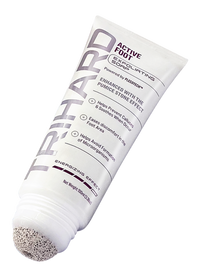
TRIHARD's Fresh & Clean Swimwear Spray is made for the minute after the rinse, and you can use it on your wetsuit too. After your fresh-water rinse, give the inside of the suit a few mists, especially the lining, and let it sit for about 30 seconds before you pack it. It neutralizes odor so the suit does not come out of the bag smelling like last weekend's swim. It is not a wetsuit shampoo. Keep the regular soak and rinse, and use the spray on the swims in between. Freshen your wetsuit after every swim.
Want the whole post-swim routine in one go? The Post-Swim Reset Kit pairs the spray with our Chlorine Removal Shampoo and Body Wash. The Head-to-Suit Kit adds the Chlorine Protection Conditioner: hair, skin and suit, sorted after every swim.
Not sure if, or what you actually need?
Tell us how chlorine shows up in your life and we'll point you to the right fit.


Not sure you're actually affected?
Open-water swimmers have more than a wetsuit to rinse
Salt water, lake water and pool water all leave something on your hair and skin too. See saltwater vs. chlorine: what each does to hair and skin and why skin feels dry after open-water swimming. For swimsuits, our guide on how to wash a swimsuit covers the rest of your swim bag.
Frequently Asked Questions
How do you get the smell out of a wetsuit?
Rinse it inside and out with cool fresh water after every swim, wash it with a wetsuit shampoo or mild cleanser every few uses, and dry it inside out in the shade on a wide hanger. Never leave it wet in a closed bag or a hot car.
Do I need a wetsuit shampoo?
You do not need one, but a wetsuit shampoo is made for neoprene and is the easiest way to do the regular deep clean. A small amount of mild, gentle soap works in a pinch. Avoid laundry detergent and bleach.
How often should you wash a wetsuit?
Rinse it in fresh water after every use. Give it a full wash with a wetsuit cleaner every 5 or so uses, or whenever it starts to smell.
Can you put a wetsuit in the washing machine?
No. The agitation and spin can stretch neoprene and damage seams, and many machines run warmer than neoprene likes. Hand wash it in a tub instead, and never use a dryer.
How should I store a wetsuit?
Fully dry, on a wide hanger or folded loosely over a bar, out of direct sun and away from heat. Do not store it tightly folded or in a sealed bag.


