









Everything You Need to Know About Chlorine Rash: Causes, Treatment, and Prevention for 2026

Swimming is one of the best ways to stay active, cool off in the summer, and support overall wellness. But for many swimmers and pool-goers, repeated exposure to chlorine can lead to an uncomfortable and often misunderstood condition known as chlorine rash.
From itchy skin after swimming to persistent dryness and redness, chlorine rash affects both casual swimmers and athletes alike. As pool usage continues to rise, understanding how chlorine interacts with your skin—and how to protect it—has never been more important.
This guide breaks down what chlorine rash is, how to treat it, and how to prevent it, with practical, swimmer-focused advice you can use immediately.
Understanding Chlorine Rash
What Is Chlorine Rash?
Chlorine rash is a form of skin irritation caused by prolonged or repeated exposure to chlorinated water. Despite common belief, it’s not a true allergy. Instead, it’s a type of contact dermatitis that occurs when chlorine strips the skin of its natural protective oils.
This leaves the skin vulnerable, dry, and reactive.
Common Symptoms of Chlorine Rash
-
Redness or blotchy patches
-
Itching or burning sensation
-
Dry, flaky, or tight skin
-
Small bumps or rash-like texture
-
Increased sensitivity after swimming
Symptoms can appear immediately after swimming or develop gradually over repeated exposure.
Why Chlorine Causes Skin Irritation
Chlorine is designed to kill bacteria—but it doesn’t stop there. It also:
-
Breaks down the skin’s natural lipid barrier
-
Alters the skin’s pH balance
-
Causes moisture loss
-
Triggers inflammation in sensitive skin
“Repeated exposure to chlorine can weaken the skin barrier over time, making irritation more frequent and harder to manage,” notes many dermatology professionals who work with swimmers.

Chlorine Rash Myths (Debunked)
-
Myth: Only people with sensitive skin get chlorine rash
Truth: Even healthy skin can develop irritation with frequent exposure -
Myth: Showering alone removes all chlorine
Truth: Water alone does not fully neutralize chlorine residue -
Myth: Chlorine rash only happens in public pools
Truth: Any chlorinated water—indoor or outdoor—can trigger it
Chlorine Rash Treatment Options
1. Over-the-Counter Relief
For mild cases, OTC treatments may help calm symptoms:
-
Fragrance-free moisturizers
-
Aloe-based gels
-
Anti-itch creams (short-term use)
These soothe symptoms but don’t remove chlorine residue, which is key for long-term relief.
2. Home Remedies (With Caution)
Some swimmers turn to:
-
Oatmeal baths
-
Cold compresses
-
Coconut oil
While soothing, these remedies don’t neutralize chlorine and work best as secondary care—not standalone solutions.
3. The Swimmer-Specific Solution
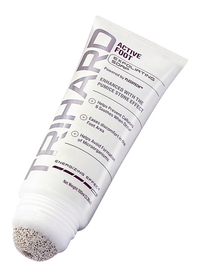
For recurring irritation, the most effective approach is chlorine-neutralizing skincare designed specifically for swimmers. These formulas target chemical residue that standard soaps leave behind and help restore moisture balance.
Many swimmers find that once chlorine is fully removed and hydration restored, symptoms improve dramatically within weeks.
How to Prevent Chlorine Rash (The Smarter Approach)
Prevention is far easier—and more effective—than treating irritation after it starts.
Before You Swim: Build a Barrier
-
Rinse skin with fresh water
-
Apply a lightweight protective lotion
-
Wear protective swimwear when possible
Hydrated skin absorbs less chlorinated water, reducing irritation risk.

During Your Swim: Reduce Exposure
-
Avoid long sessions in heavily chlorinated pools
-
Take brief rinse breaks during extended swims
-
Avoid rubbing skin while wet
After You Swim: The Critical Recovery Phase
-
Rinse immediately after exiting the pool
-
Cleanse with a chlorine-neutralizing body wash
-
Apply a hydrating lotion while skin is still damp
This routine helps stop chlorine damage before it worsens.
You can explore swimmer-specific skincare solutions here:
https://trihard.co/collections/swimmer-skincare
5-Step Checklist: Preventing Chlorine Rash
✔ Rinse skin before swimming
✔ Apply a protective barrier lotion
✔ Limit exposure time when possible
✔ Use chlorine-neutralizing cleanser after swimming
✔ Moisturize immediately and consistently
Simple steps—big difference.
Real-World Experiences from Swimmers
“I used to get itchy skin every time I swam. Once I switched to a proper post-swim routine, the irritation stopped within a month.”
— Recreational swimmer, Florida
“As a competitive swimmer, chlorine rash felt unavoidable. Learning how to protect my skin before and after swimming changed everything.”
— Collegiate athlete
These stories are common among swimmers who adopt swimmer-specific skin care routines.
Chlorine vs. Saltwater Pools: Is One Better?
Saltwater pools are often marketed as gentler, but they can still:
-
Dehydrate skin
-
Disrupt the moisture barrier
-
Cause irritation without proper care
Regardless of pool type, post-swim skin care remains essential.
Why Chlorine Rash Deserves More Attention in 2026
With:
-
Increased pool usage
-
Year-round indoor swimming
-
Rising skin sensitivity awareness
Chlorine rash is no longer a seasonal issue—it’s a year-round skin health concern.
Educating swimmers empowers them to enjoy swimming without discomfort, while building better long-term skin health habits.
Final Thoughts: Swim More, Worry Less
Chlorine rash doesn’t have to be part of your swimming routine. With the right knowledge, prevention strategies, and swimmer-focused skin care, you can protect your skin while continuing to enjoy the benefits of swimming.
If you’ve experienced chlorine rash, you’re not alone—and solutions exist.
Have you dealt with chlorine rash?
Share your experience in the comments and help other swimmers learn what works.
Follow TRIHARD for more expert tips on swimmer skin health, recovery, and performance.
Frequently Asked Questions About Chlorine Rash
What is chlorine rash?
Chlorine rash is a form of skin irritation caused by repeated exposure to chlorinated water. It happens when chlorine strips the skin of its natural oils, leading to dryness, redness, itching, and inflammation.
What are the common symptoms of chlorine rash?
Common symptoms include red or blotchy skin, itching, a burning sensation, dryness, flaking, small bumps, and increased skin sensitivity after swimming.
Is chlorine rash an allergic reaction?
No. Chlorine rash is not a true allergy. It is a type of contact dermatitis caused by irritation when chlorine damages the skin’s protective barrier.
How can chlorine rash be treated?
Chlorine rash can be treated by rinsing immediately after swimming, using chlorine-neutralizing cleansers, applying fragrance-free moisturizers, and maintaining a consistent post-swim skincare routine.
How can chlorine rash be prevented?
Chlorine rash can be prevented by rinsing before swimming, applying a protective lotion, limiting chlorine exposure, cleansing with chlorine-neutralizing products after swimming, and moisturizing the skin immediately.


Leave a comment