Products like Kids Swim Care Kit are designed to help parents remove chlorine residue while keeping children’s skin and hair healthy after swimming.
This guide explains how chlorine affects kids, which solutions remove chlorine most effectively, and when parents should use swimmer-specific products.
How Does Chlorine Damage Kids’ Skin and Hair?
Chlorine works by oxidizing bacteria and organic contaminants in pool water. While this process keeps pools safe, the same chemical reaction can affect skin and hair proteins.
Children’s skin is typically more sensitive and thinner than adult skin, which means chlorine exposure may cause faster moisture loss and irritation.
Common Signs of Chlorine Damage in Children
Dry Skin After Swimming
Chlorine removes natural oils that normally keep skin hydrated.
Hair Becoming Rough or Tangled
Chlorine opens the hair cuticle, causing dryness and making hair more prone to tangling.
Itchy or Irritated Skin
Chemical residue left on the skin can lead to itching or redness.
Hair Discoloration
Pool water minerals combined with chlorine can sometimes cause lighter hair to develop a greenish tint.
These issues are especially common in children who swim frequently in chlorinated pools.
What Are the Best Chlorine Removal Methods for Children?
Parents can use several methods to reduce chlorine exposure and remove chlorine residue from their child’s skin and hair.
Immediate Rinse Protocol
The simplest method is rinsing the body and hair immediately after leaving the pool.
Why It Helps
Rinsing removes surface chlorine before it continues reacting with skin and hair proteins.
However, water alone may not fully remove chlorine that has bonded with skin oils or hair fibers.
Specialized Swimmer Cleansers
Swimmer-specific shampoos and body washes are formulated to remove chlorine residue more effectively than regular soap.
How They Work
These products use gentle cleansing agents that lift chlorine particles while protecting the skin barrier.
They are particularly helpful for children who swim regularly.
Parents can also explore the broader range of swimmer haircare and skincare products in the
Swimmer Haircare Collection and
Swimmer Skincare Collection.
Vitamin C Neutralization
Vitamin C (ascorbic acid or sodium ascorbate) is widely known for neutralizing chlorine through a chemical reaction.
Why It Works
Vitamin C converts chlorine into harmless chloride ions, effectively stopping the oxidative process that causes dryness and irritation.
This method is sometimes used in specialized swimmer skincare formulas.
When Should Parents Use Chlorine Removal Products?
The timing of chlorine removal is important for protecting children’s skin and hair.
Immediately After Swimming
The most important step is cleansing within a few minutes of leaving the pool.
Removing chlorine quickly helps prevent irritation and dryness.
After Long Swim Sessions
Children who spend extended time in the pool (swim lessons, team practice, or vacation swimming) benefit from using chlorine removal products every time they swim.
During Frequent Swimming Periods
Children participating in regular swim lessons or swim teams may require a daily post-swim skincare routine to maintain healthy skin and hair.
Which Ingredients Remove Chlorine Most Effectively?
Different ingredients play different roles in chlorine removal and skin recovery.
Sodium Ascorbate (Vitamin C)
Vitamin C neutralizes chlorine molecules and stops chemical reactions that cause skin irritation.
This ingredient is commonly used in swimmer skincare formulas.
Chelating Agents (EDTA)
Chelating ingredients bind with minerals and chlorine residues in pool water.
They help remove buildup that can cause hair discoloration or dryness.
Gentle Cleansing Agents
Mild cleansers remove chlorine while preserving the skin’s natural oils.
This is particularly important for children, whose skin barrier is more delicate.
Using a combination of these methods provides the most effective chlorine removal routine.
Chlorine Removal Glossary
Chlorine Neutralization
The process of chemically converting chlorine into harmless chloride molecules, often using Vitamin C.
pH Balance Restoration
Swimming pools can affect the skin’s natural pH balance. Restoring this balance helps maintain healthy skin.
Swimmer’s Hair
Hair that becomes dry, brittle, or discolored due to repeated chlorine exposure.
Chemical Sensitivity
Some individuals, especially children, may experience irritation from pool chemicals more quickly than others.
Real Parent Scenarios: Solving Common Chlorine Problems
Scenario 1: Dry Skin After Swim Lessons
Problem:
A child attends swim lessons twice per week and experiences dry, itchy skin afterward.
Solution:
Parents rinse the child immediately after swimming and use swimmer-specific cleanser and moisturizer.
Result:
Skin feels comfortable and hydrated after each swim session.
Scenario 2: Tangled Hair After Swimming
Problem:
Hair becomes tangled and difficult to brush after pool time.
Solution:
Parents use swimmer-specific haircare products designed to remove chlorine and protect hair.
Result:
Hair becomes easier to manage and remains soft after swimming.
Scenario 3: Frequent Pool Exposure During Vacation
Problem:
Children swim daily during vacation and develop dry skin.
Solution:
Parents establish a simple post-swim routine including showering and chlorine-removal products.
Result:
Skin remains healthy despite frequent swimming.
Why Chlorine Removal Matters for Kids
Children who swim regularly benefit from a consistent chlorine removal routine. Removing chlorine residue helps protect their skin barrier, maintain hydration, and prevent irritation caused by repeated chemical exposure.
Using products designed specifically for swimmers helps ensure chlorine is removed effectively while keeping skin and hair healthy.
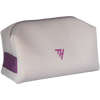
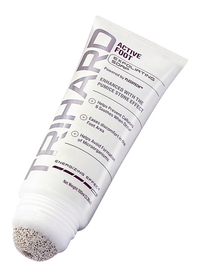
Parents looking for a simple solution can use Kids Swim Care Kit as part of their child’s post-swim care routine.









 Gently Removes Chlorine & Saltwater
 Supports Hair Against Chlorine & Saltwater
 Hydrates & Smooths Dry Skin and Hair
 Alleviates Itchy Skin & Scalp
 Restores Skin & Hair's Texture